
Stop Fighting Your SIPA Heating Profiles
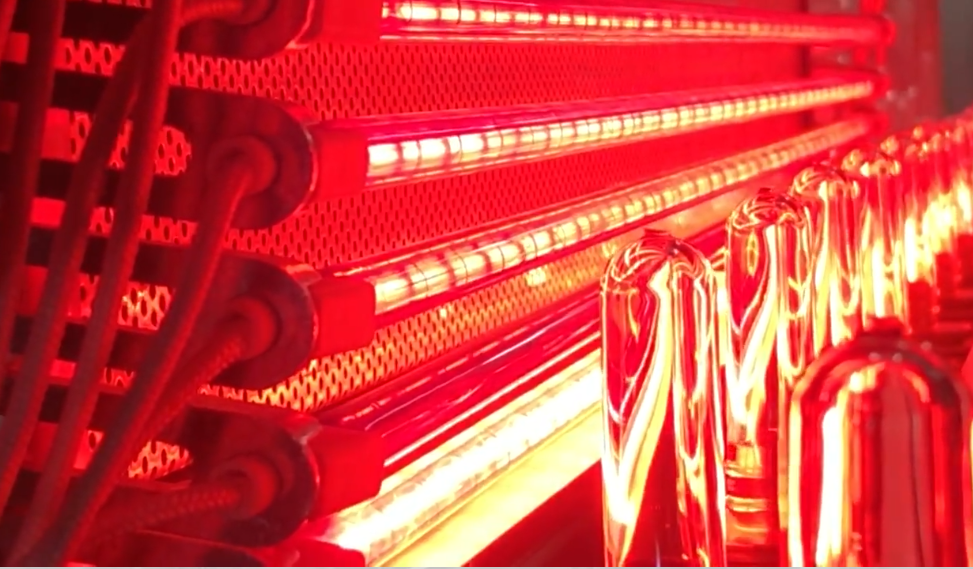
If you’ve ever pulled a batch of bottles off the line only to find the walls are uneven—some thick, some thin—you know the headache. Usually, it comes down to “cold spots” in the oven. Here’s the thing: SIPA rotary machines are picky. They need a very specific infrared heat profile to get those PET preforms ready for blowing. When people start mixing and matching lamps with different wattages or voltages, the whole system gets confused. It’s a recipe for rejected bottles and a lot of wasted time. That’s why we make our replacement IR lamps a direct match for the original SIPA power specs. No guessing. Just a drop-in fit. The danger of “close enough” Voltage and wattage aren’t just numbers on a spec sheet. They’re what actually drive the heat density. If you pop in a lamp that’s even slightly off, your PID controller starts sweating. It struggles to hit the set point, which means the machine has to overcompensate. Not only does that mess with your preforms, but it beats the hell out of your relays. We focus on 100% power matching. If your machine calls for 400V, the lamp pulls exactly the amperage it’s supposed to. Your circuitry stays cool, your preforms get the heat they need, and your hardware lasts longer. Quartz that actually lasts We use high-purity quartz glass and halogen gas fills. Why? Because it lets the lamp run hotter without the filament just giving up. Depending on your model, you’ll get R7s or Sk15 connectors. But this isn’t just about making sure the bulb fits in the hole. It’s about the connection. A loose or cheap contact creates a tiny hotspot at the base. Over time, that’s how you end up with a melted socket. A quick tip from the shop floor These lamps put out a massive amount of heat to keep your cycle times fast. That’s great for throughput, but there’s a catch. All that energy dumps a lot of ambient heat into the oven. If your cooling fans are choked with dust or your airflow is blocked, the oven interior just soaks in that heat. Before you know it, your PET is overheating. Keep your vents clear. It sounds simple, but it’s the best way to make sure these tubes actually do their job.