
Getting Your Sidel Matrix Lamps Right
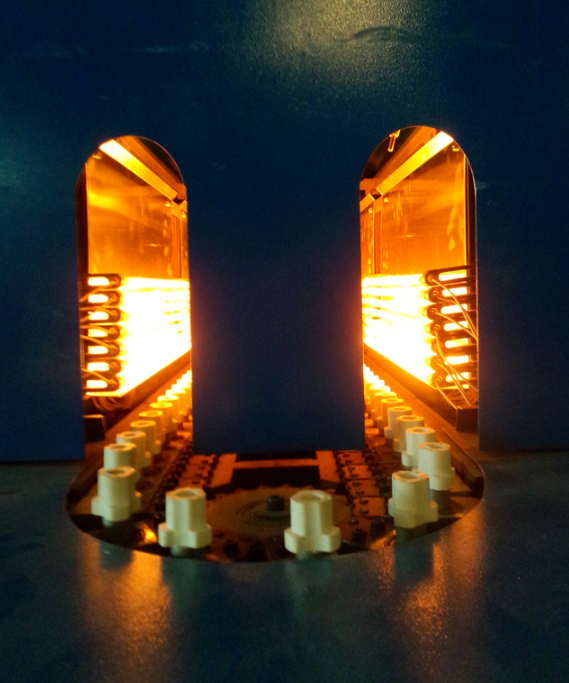
Here is the problem with swapping out OEM infrared bulbs in a Sidel Matrix blower: if you mess with the temperature curve, you’re in for a bad time. When the wavelength or power density is even slightly off, your preheating gets wonky. That’s how you end up with those annoying pearlescent streaks or walls that are thick in one spot and thin in another. We avoid all that by building our replacement lamps to match the original specs exactly. 1:1. No guessing. The nitty-gritty on the heat To keep that temperature rise steady, the voltage and wattage have to be spot on. We spec our filaments to hit the same resistance as the Sidel units. That way, when you plug them into your current power supply, the output stays exactly where it should be. We stick with short-wave infrared. Why? Because it sinks deeper into the PET preform and works faster than medium-wave options. It gets the plastic to that “glass transition” sweet spot without scorching the surface. It’s all in the quartz The quartz envelope isn’t just a glass tube holding a wire—it’s actually an optical filter. We use high-purity fused quartz so the IR energy actually gets out instead of getting trapped. And the fit has to be perfect. We machine these to a tight tolerance so they just drop right in. If a bulb is off by even 2mm, it won’t sit right in the reflector. That creates “hot spots,” and before you know it, you’re burning right through your preforms. Plus, we use standard industrial connectors. A loose connection at the terminal leads to arcing, and that’s a fast track to a burnt-out bulb. One thing to keep in mind High-density IR lamps put a lot of pressure on your oven’s ventilation. Our bulbs hit the OEM heat profile perfectly, but they still put out a ton of ambient heat. Check your cooling blowers. Make sure they’re clean and actually moving air. If the airflow is choked, the lamps will run hotter than they’re supposed to, and they’ll die a lot sooner than they should.