
Fixing the “Cold Spot” Problem in Multi-Deck Ovens
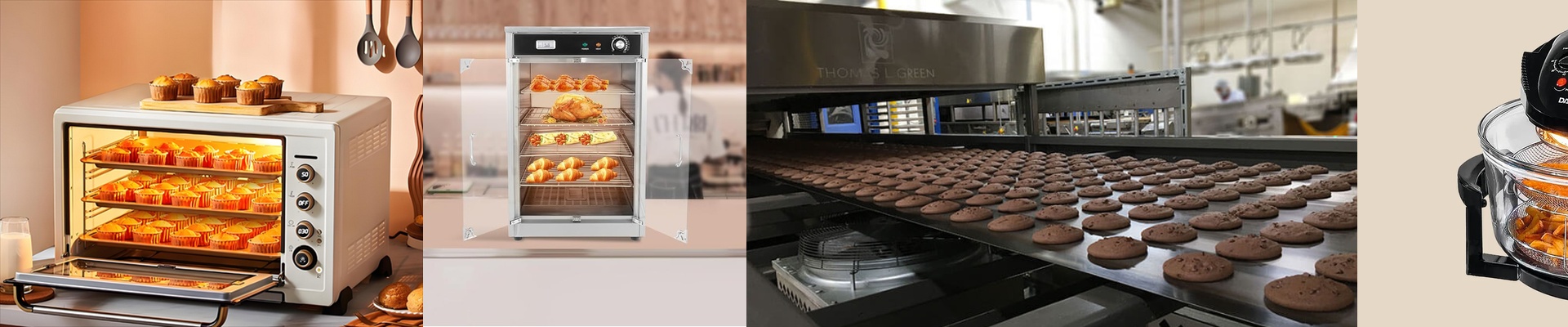
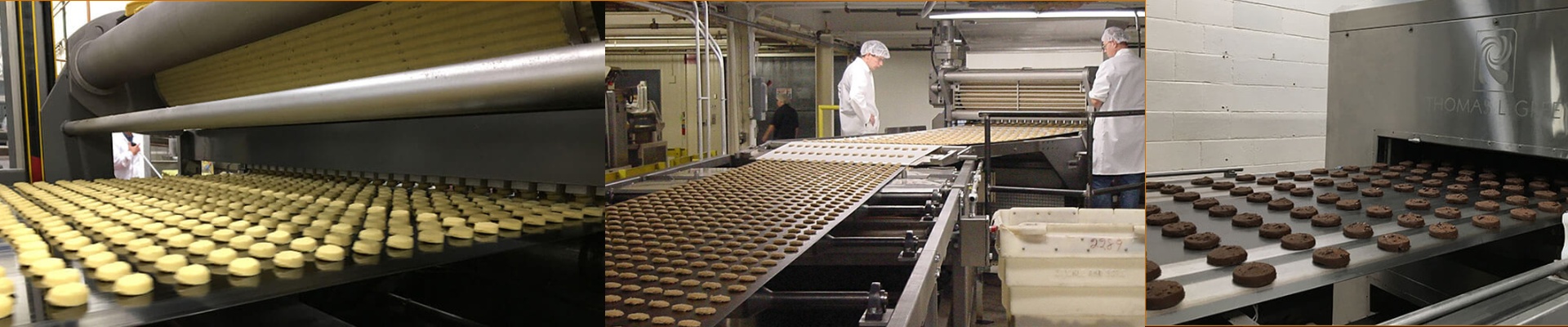
If you’ve ever worked with multi-deck ovens, you know the struggle. The top deck is screaming hot, but the bottom? It’s always lagging. It’s a pain because you’re fighting rising heat and weird airflow just to get a consistent bake. We solve this with 1000W infrared (IR) emitters. Instead of just heating up the air and hoping it reaches your bread, these lamps beam energy straight into the product. Why 1000 Watts? It’s all about the punch. A 1000W rating gives you enough heat to keep things stable, even when you slide in a full load of cold trays. The best part is that we put independent IR tubes in every deck. So, if your middle deck is losing heat faster than the others, you just crank up the power for those specific lamps. You aren’t relying on one big heat source to do all the heavy lifting, which means those annoying cold spots finally disappear. Fast. Really fast. We use high-purity quartz glass for these emitters. Why? Because it can take the shock of rapid heating and cooling without cracking. Standard heating elements are slow—they take minutes to get going. These IR lamps hit the target temperature in seconds. When your PID controller can react that quickly, your temperature window stays tight. You get the precision you actually need. A few things to watch out for These are designed as drop-in replacements for standard industrial sockets, and we’ve kept them small so they actually fit in tight oven cavities. But here’s the thing: 1000W lamps put out an incredible amount of localized heat. If you mount them too close to your internal wiring or plastic gaskets, you’re going to melt your insulation. Make sure your oven is vented properly to handle that radiant load. If the air can’t move, you’ll end up with warped panels and lamps that burn out way too soon.