
Stop Waiting on Your Rotary Oven: The Magic of Infrared
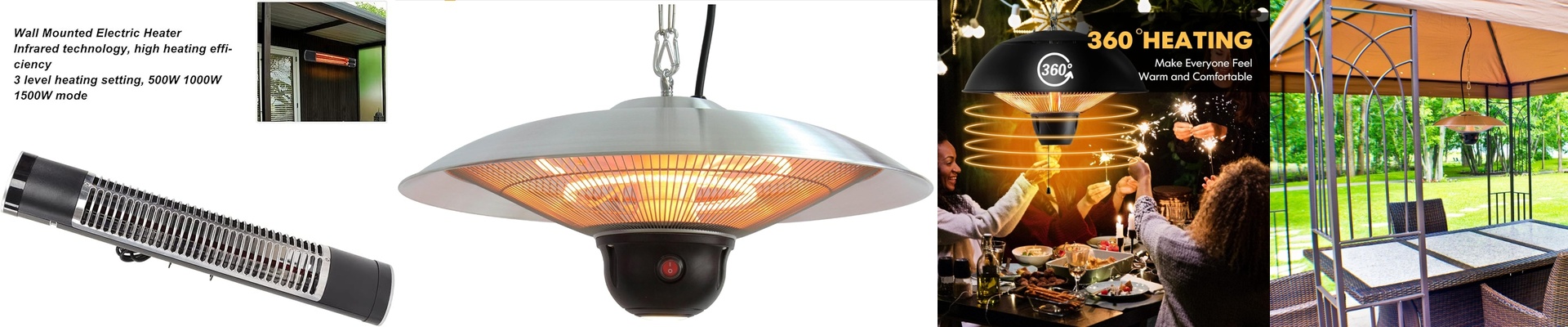
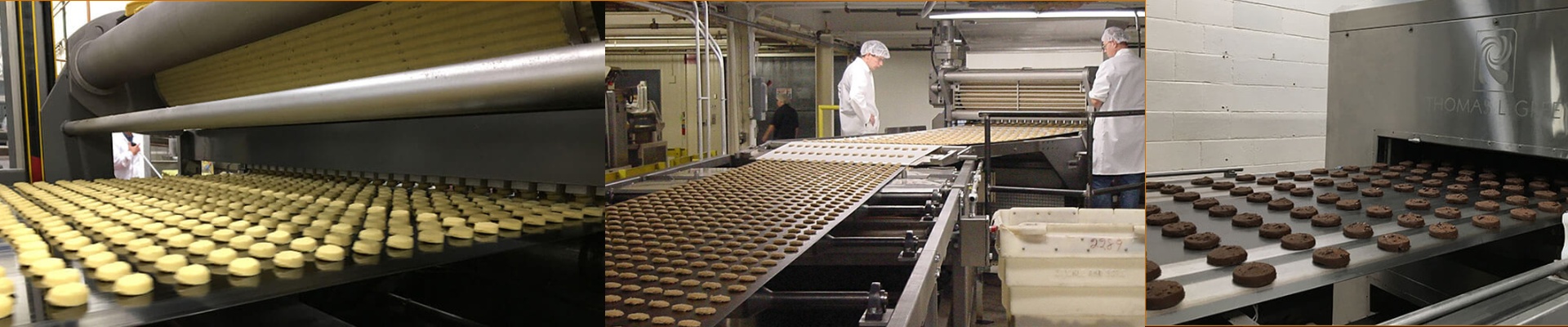
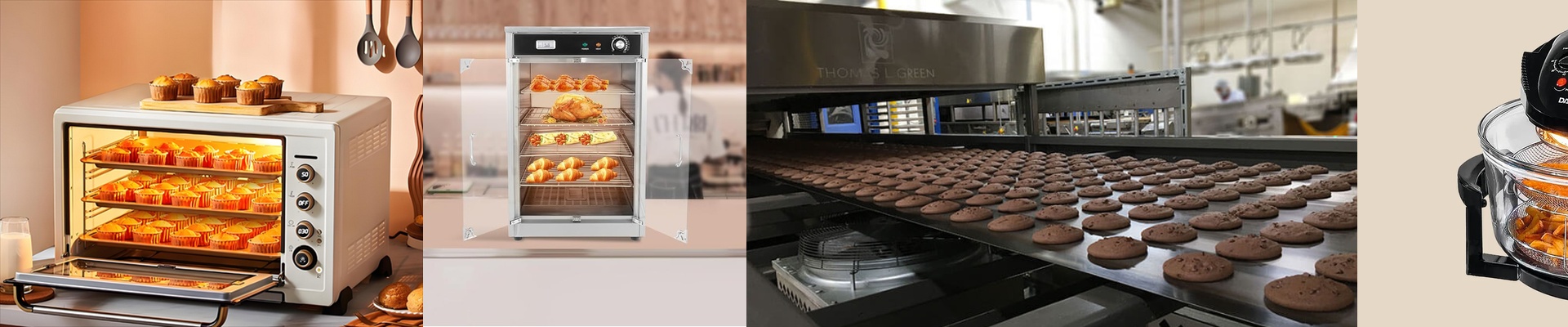
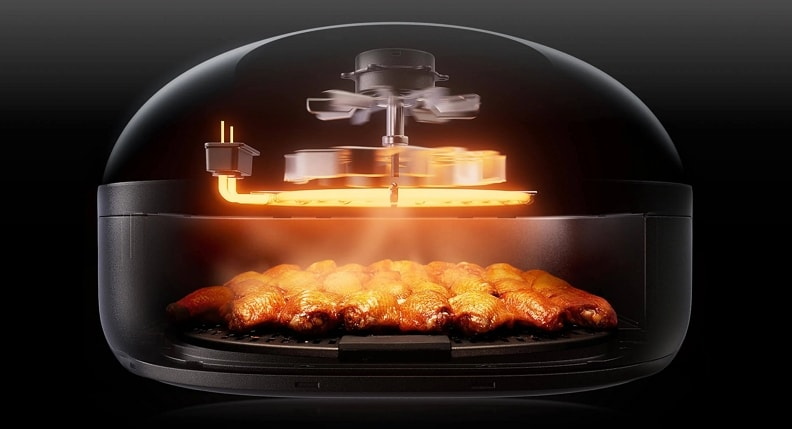
If you’ve ever run a rotary oven, you know the struggle. You’re relying on air to move the heat around, and in a busy kitchen, that air becomes a bottleneck. It’s slow. It’s frustrating. We decided to stop messing around with the air and just hit the pizza directly. By using short-wave infrared (IR) heating, we can cut your curing time from 300 seconds down to about 90. That is a massive difference in how many pies you can push out the door. How it actually works Most ovens use coils to heat up the air inside the box. IR is different. It sends out energy that the dough and cheese soak up the second it hits them. We’ve dialed in the power density so the cheese melts and the crust gets that perfect “snap” without turning the middle into a soggy mess. It’s fast. Really fast. The gear you’ll need Since these ovens are constantly spinning, we built our elements to take a beating. We use quartz envelopes that can heat up and cool down rapidly without cracking under the pressure. One heads-up, though: these lamps are hungry for power. They pull a lot of current the moment they kick in. If your wiring is old or under-specced, you’re going to blow a fuse right in the middle of the dinner rush. Double-check your power supply before you flip the switch. The trade-off Here’s the thing: when you move to a 90-second cycle, you’re playing with fire—literally. Because the heat is so intense, you have a much smaller margin for error. If your conveyor slips or the rotation pauses for a few seconds, you’ll end up with burnt spots on your crust. You have to be precise about the distance between the lamp and the pizza. No guesswork allowed. To keep things from getting out of hand, we suggest using a PID controller. It keeps the temperature steady so you don’t burn out your filaments. As long as your cooling fans can handle the extra heat around the housing, it’s a pretty straightforward swap from traditional heating.