Stop Overpaying for Your Oven Heating Elements
If you’re running a bakery chain and trying to grow, you know the struggle. You need more ovens, but the cost of the “official” replacement parts is a nightmare. It feels like you’re being held hostage by the brand name on the machine. Here’s a better way: 220V infrared (IR) emitters.
How they actually work
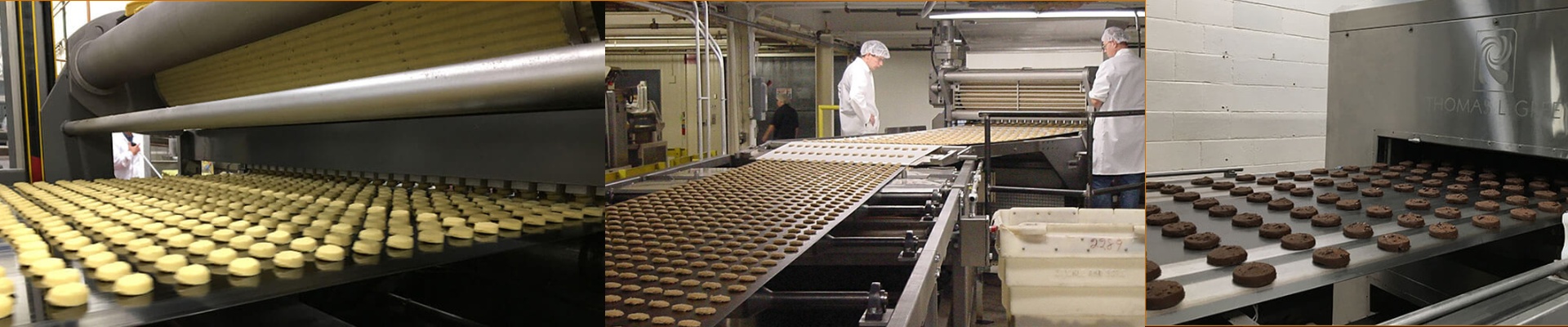
Most ovens just blow hot air around. That takes time. These IR lamps are different. They use short-wave radiation to shoot heat directly into the dough. It’s fast. Really fast. Because you aren’t waiting for the entire oven cavity to soak in heat, your ramp-up time drops significantly. That means you can squeeze more batches into a single shift without breaking a sweat.
The nuts and bolts
These lamps use a quartz envelope to keep the tungsten filament safe. We pack a lot of wattage into them so the heat hits the crust hard and fast. But a heads-up: that kind of power creates a lot of intense, localized heat. Before you swap them in, just double-check that your wiring and chassis can handle the load. You don’t want to deal with melted insulation in the middle of a rush.
Making it work in your shop
The real win here is the cost. By using these as drop-in replacements, you stop paying the “brand tax” for a proprietary ecosystem. You’re just buying a hardworking component that does the job. A few pro tips for the install: Use high-temp ceramics for the wiring. Trust me, you don’t want your contact points melting. Also, keep in mind that these aren’t immortal. They’re cheaper than fancy induction systems, but they do wear out. I’d suggest a replacement schedule every 3,000 to 5,000 hours. It’s a lot easier to swap a lamp on a Tuesday afternoon than to have one blow out while you’ve got a full load of product in the oven.