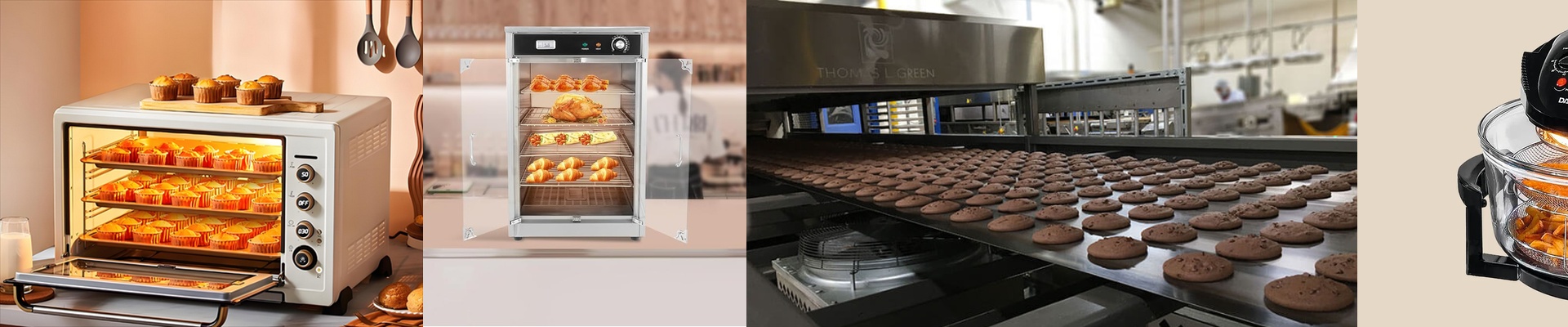
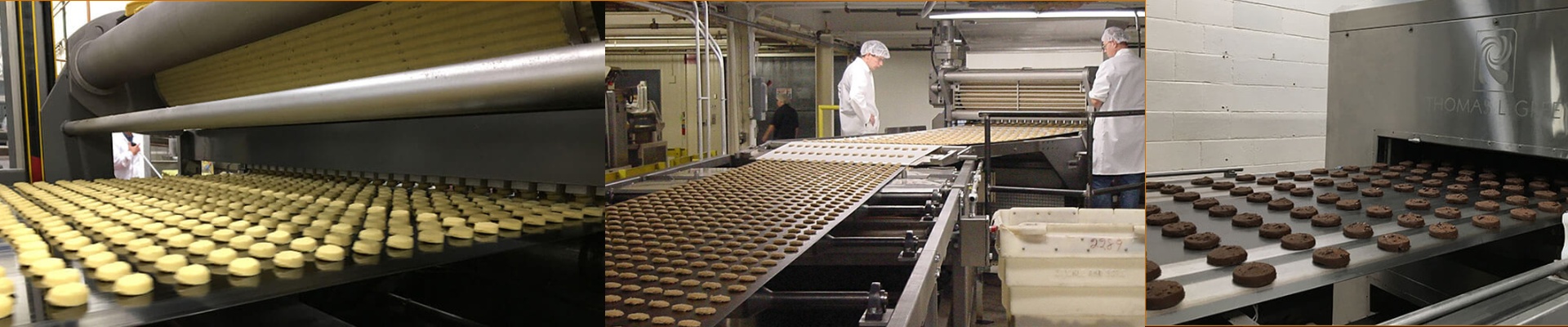
There is nothing more frustrating than pulling a tray out of the oven only to find half your crust is charred black while the other side is practically raw. It’s a waste of dough, a waste of time, and a total headache. Usually, it just means your oven can’t keep a steady temperature across the floor. Most ovens use standard coils that rely on hot air moving around. The problem? Air is lazy. It leaves cold spots. We do things differently. We use short-wave infrared (IR) for our replacement elements. Instead of waiting for the air to heat up, IR goes straight into the dough. It doesn’t care about air circulation. Because we’ve dialed in the wavelength, the heat hits every inch of your product the same way, no matter where you slide the tray. Now, we don’t just throw random power at these things. If you cram too many watts into a small tube, you’ll just burn out the filament or crack the quartz. It’s a balancing act. We’ve spent a lot of time getting the voltage and wattage just right so the heat is steady from end to end. You won’t get that “hot center, cold edges” problem you see with the cheap stuff. The best part? They’re drop-in replacements. You can wire them into your existing terminals without having to tear apart your oven chassis. One heads-up, though: IR is fast. Much faster than old-school cast iron. Because they react so quickly, you’ll probably need to tweak your PID controllers so the temperature doesn’t jump too high. These elements hit their target temp almost instantly, which is great for cutting down your preheat time. Just make sure your vents are clear so the rapid heat rise doesn’t trip your safety switches.