Introduction
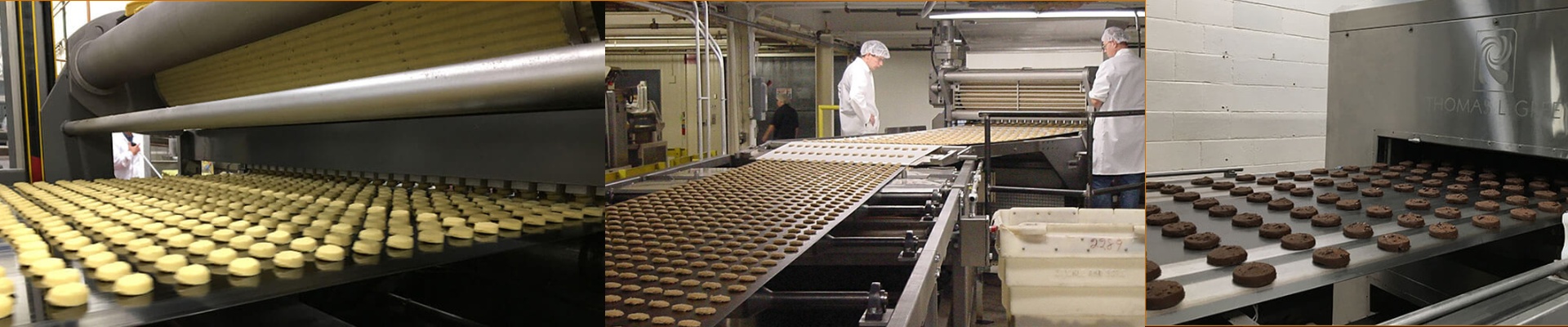
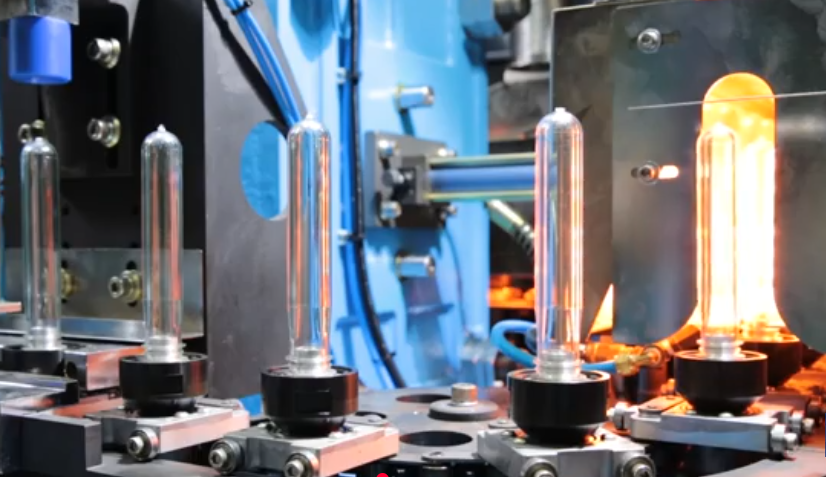
We built this heating lamp as a straight swap for the KRONES Contiform S and the KHS blow molding lines that run alongside it. The goal is simple: give your PET preforms steady, high-density infrared heat—no hot spots, no guesswork. If your current lamp is giving you uneven heating, you’re not just losing output. You’re putting the PET through unnecessary stress, and that’s how you start seeing bottle defects.
Technical Deep-Dive
This is a high-voltage, shortwave infrared lamp, designed to run on 400V. Why does that matter? High voltage means lower current for the same power. That cuts resistive losses in the wiring and lets us pack a lot of heat into a small space. The tube is 300mm long, chosen to match the narrow heating zone on the Contiform S. That length, paired with the wattage density, gives you a tight, controllable heat pattern that follows the preform’s shape.
Material & Design
The core is a quartz envelope built for rapid heating and cooling without cracking under the pressure. Inside, the halogen capsule keeps the filament temperature steady. That’s what gives you consistent spectral output and repeatable heating, shot after shot. And we added a reflective coating on the outside to catch wasted radiation and bounce it back onto the preform—so more of the energy you put in actually becomes useful heat. It uses an R7s connector, so it drops in as a direct replacement. No rewiring. No adapters. No extra brackets to fight with.
Application & Benefits
Out on the shop floor, this setup is all about control and uptime. That reflective coating boosts thermal efficiency, so you hit setpoint faster and hold it more consistently through the whole heating window. The payoff is even wall thickness and fewer rejects on the PET blow molding line. And because it’s an R7s interface, your maintenance team can swap out a burnt lamp in minutes, not hours. Here’s the trade-off: the 400V, 2500W density means you need a power supply and cooling that are properly rated. If your cabinet airflow is on the thin side, plan for more airflow or a higher-rated cooling circuit to keep the ambient temperature where it needs to be.