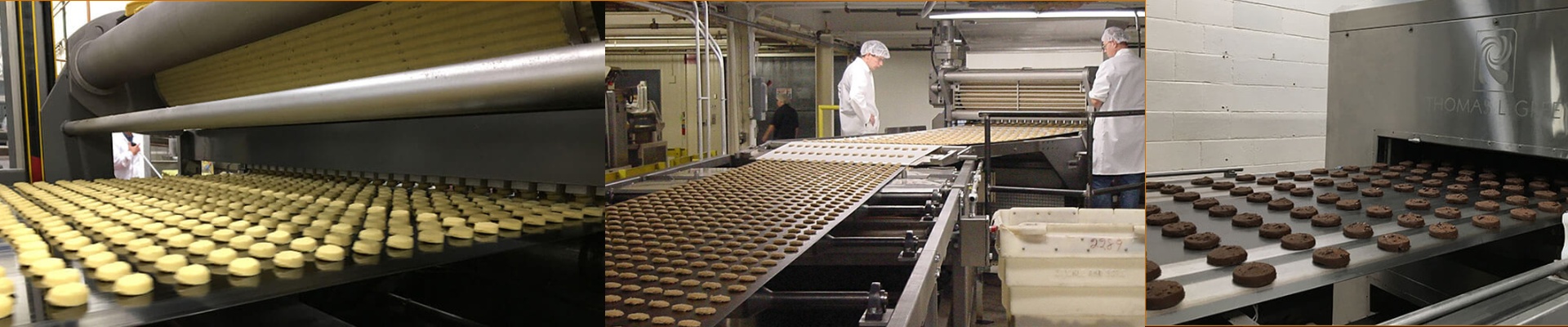
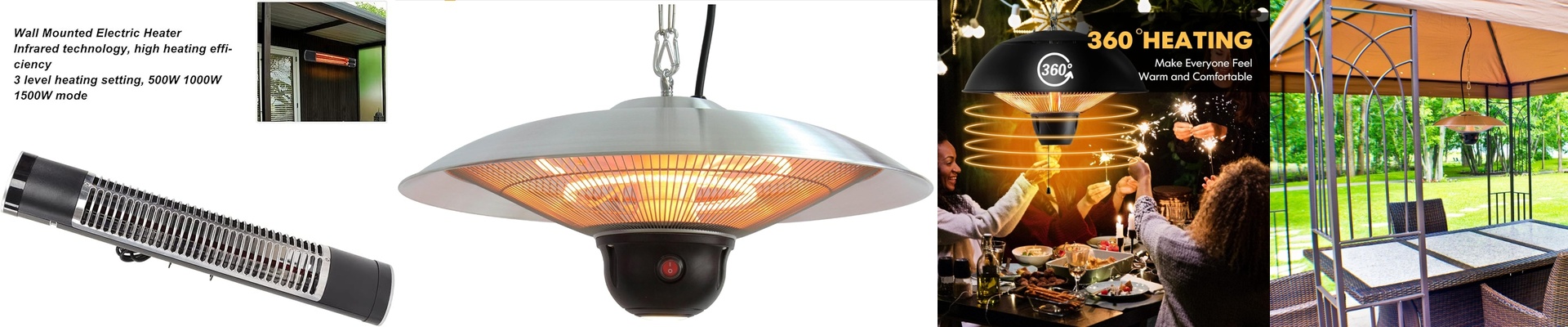

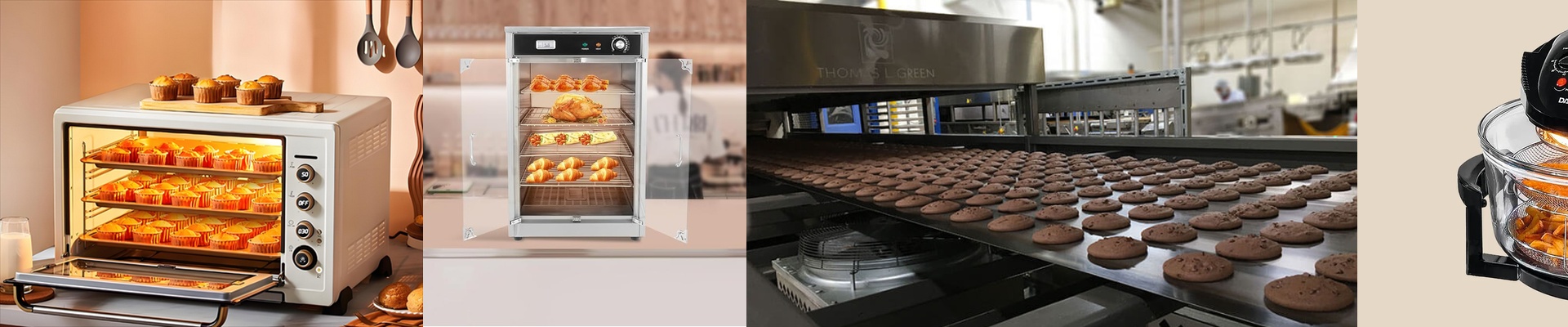
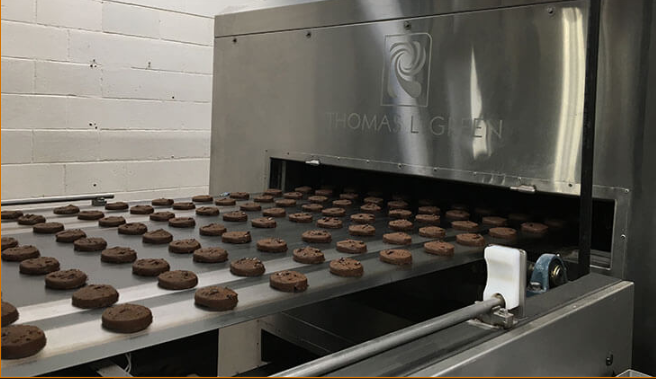
When the morning rush hits, your deck oven has to hold steady—period. If the heat lags, you get slow recovery, uneven crusts, and trays that miss the window. The Ruby steam oven infrared heater is built to keep the baking chamber stable, even when the doors are flying open and the orders stack up.
What’s actually happening under the hood
It comes down to a short-wave infrared heater paired with steam injection. Infrared throws direct energy into the dough and toppings, driving surface temperature fast without overheating the air. Steam injection keeps the humidity where it needs to be, supporting oven spring and leaving the crust workable in those first minutes. The payoff is consistent browning and a clean bake profile, whether you’re running deck ovens, rotary ovens, or a convection line. The heater responds quickly, so temperature dips recover in seconds, and you can adjust the steam volume to match different dough hydration levels.
Why this matters on the line
In a real bakery, speed and repeatability beat flashy numbers every time. This setup cuts bake time while giving even color across the pan—front tray to back. You get crusts that are crisp outside, tender inside, with uniform caramelization. Energy use per bake cycle drops because the heat is delivered on demand, and the fast recovery keeps production moving. Control gets simpler, too, so you hit the same finish, shift after shift.
The details you can’t skip
Infrared is intense, so the heater has to be positioned to avoid hot spots on the stone hearth or across the tray. Plan for proper clearance, ventilation, and a dedicated power circuit that can handle the load. Steam injection needs a stable water supply, and in hard-water areas, routine descaling is non-negotiable. Match the element to your oven cavity size and thermostat response. If you’re working with an older oven, a small retrofit can still deliver the same improvement—just confirm compatibility before you order.