
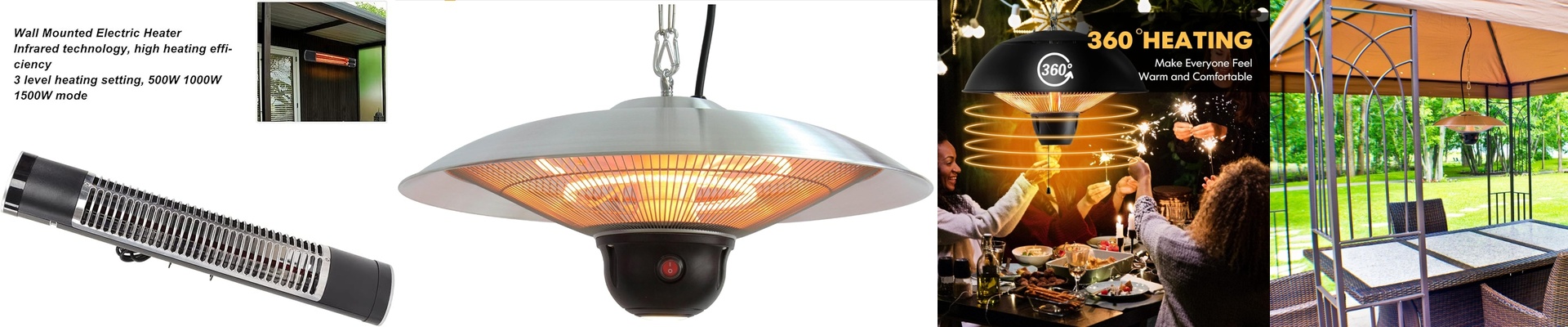
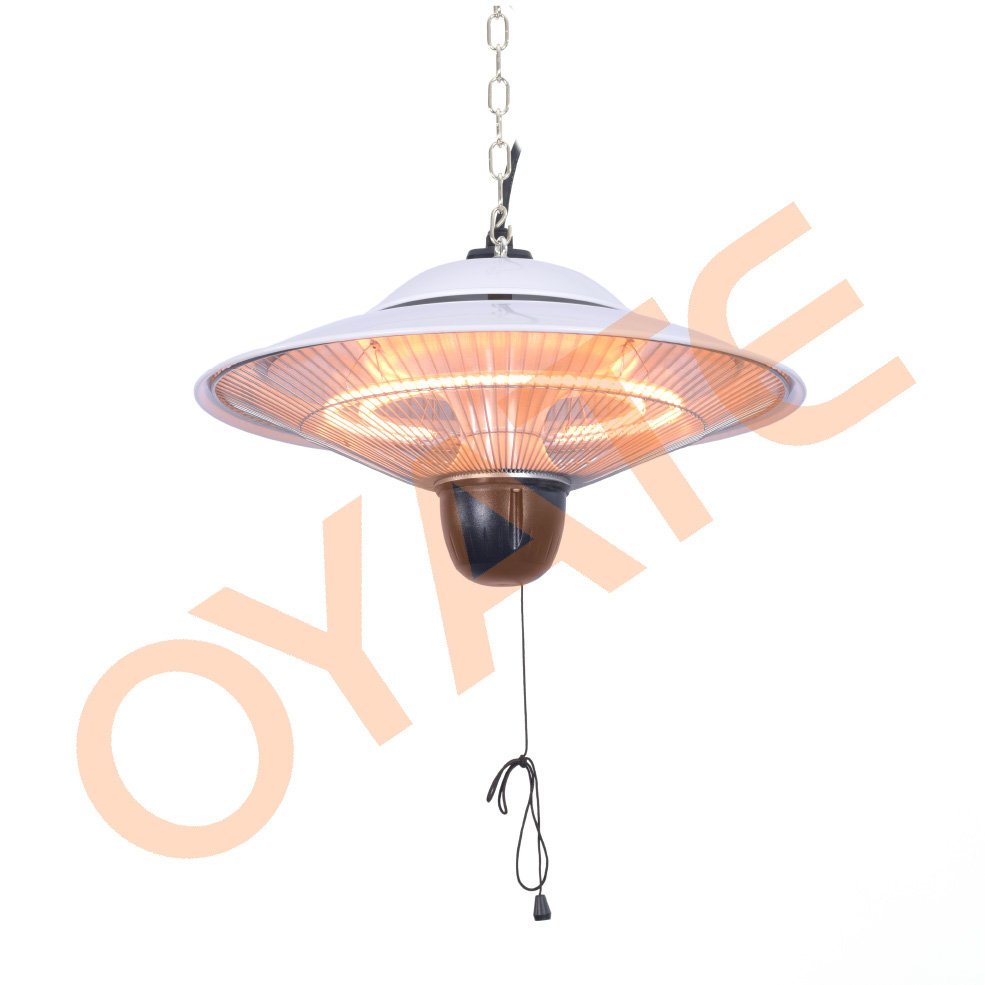
Step onto a restaurant patio on a cool evening and you feel it right away—the air. Kerosene heaters leave behind soot, that sharp fuel smell, and a fine film that settles on tables and clothes. Switch to an electric infrared patio heater and that layer disappears. No combustion, no fumes. Just clean warmth. What’s actually going on, technically Infrared patio heaters deliver radiant heat. They warm people and surfaces directly, instead of trying to heat the air around them. In commercial units, the heart of the system is usually a quartz tube or a carbon fiber element, paired with a reflector to focus the output. A 1500–2000W electric heater can cover a small seating cluster; 3000–5000W units are what you need for larger patios. Smaller models plug into standard 120V outlets, while high-output commercial heaters run on 240V hardwired circuits. Controls stay straightforward: an adjustable thermostat, multiple heat settings, and safety features like tip-over protection and an overheat cutoff. Many carry an IP rating for resistance to dust and splashing water, so they can hold their own in outdoor service areas. Why this switch makes sense in a restaurant setting For restaurants, moving from kerosene to electric infrared is about comfort and indoor air quality. No open flame, no fuel combustion—so no smoke, no odor, and no particulate buildup. That matters especially on semi-enclosed patios, or in cooler months when ventilation is limited. The heat arrives fast, so guests feel it as soon as they sit down. Staff like the quiet operation and not dealing with fuel cans, spills, and constant refills. Energy use stays predictable because the heater targets occupied zones, not empty space. The practical details that make it work Infrared warmth does its job when it hits the right people at the right height. Since heaters mount overhead or on walls, placement is key to avoid hot spots and cold gaps. In windy spots, a shielded or enclosed model helps keep comfort consistent. And because electric infrared heats objects and skin directly, you have to respect clearance distances—especially with high-output units. Plan the layout around coverage, and you’ll get steady comfort with far fewer complaints.