
When the order backlog stacks up and your drying line can’t keep pace, a weak heater brings the whole workflow to a crawl. Garments hang heavy, moisture hangs on, and deadlines slip. We built our CE-certified infrared clothes dryer heater to knock that bottleneck out—steady, fast heat that dries reliably, shift after shift.
What’s actually important, technically
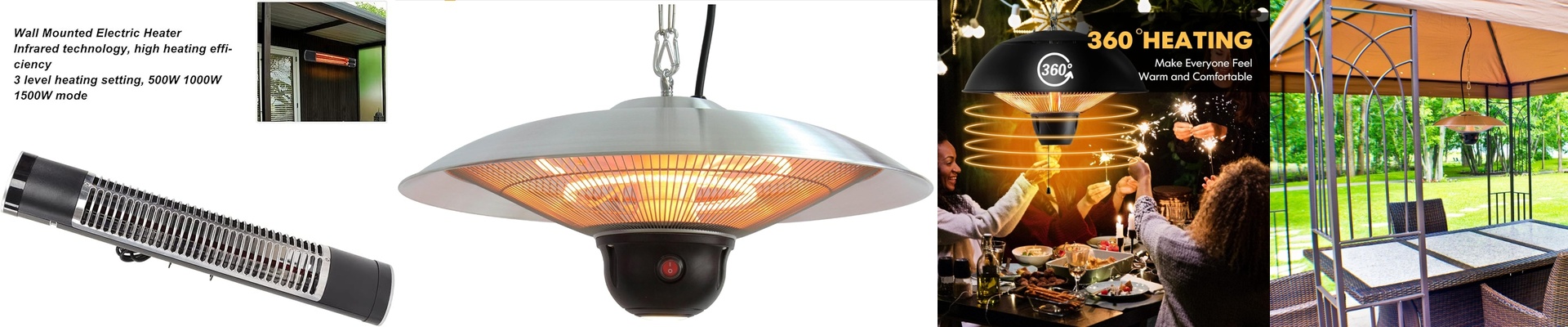
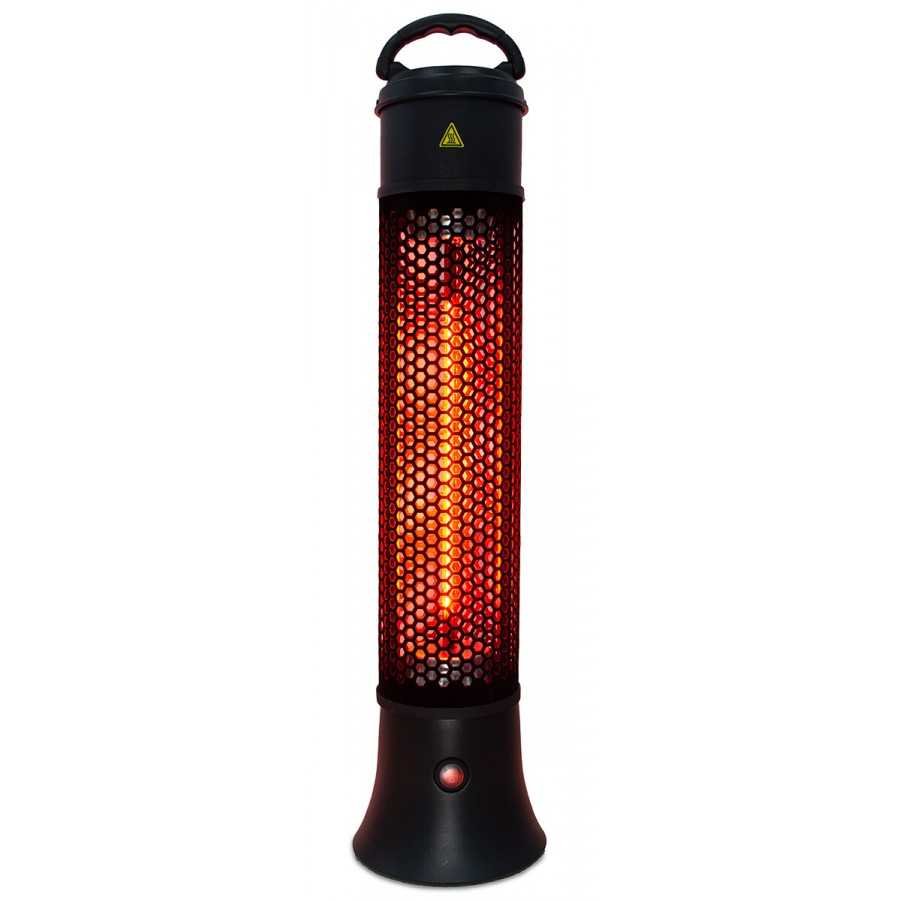
This unit leans on short-wave infrared technology, putting out direct radiant heat that gets into fabrics quickly and evenly. The quartz tube hits operating temperature in seconds, so you don’t sit around waiting for warm-up. It runs on standard voltage options, draws predictable current, and lands on a terminal block that can take repeated machine cycles without getting sloppy. A built-in thermostat holds the target temperature band, so you don’t get swings that leave clothes damp or scorched. The element is rated for thousands of hours, and the assembly is laid out to fit compact dryer chambers without crowding airflow.
Why it fits the job
For wholesalers and traders, uptime is what pays the bills. This infrared heater dries faster, so you ship more orders per day without changing your equipment footprint. Because the heat is focused on the fabric, energy goes where it matters, which helps keep operating costs in line. The CE mark gives buyers confidence in regulated markets, and the mounting is straightforward enough to spec into standard dryer designs without headaches. Reliability means fewer service calls and fewer replacements—protecting margins and keeping your reputation intact.
The things you need to get right
Infrared heat needs clear line-of-sight to the fabric, so positioning and reflectors matter. Make sure your dryer chamber can handle the localized heat density and that ventilation matches the load size. The heater runs hot at the core, so insulation and clearance aren’t optional—they’re safety and longevity. Match the voltage and connector type to your machine, and verify the thermostat range against your drying profile. Plan on routine cleaning and inspection to keep output steady over time.