
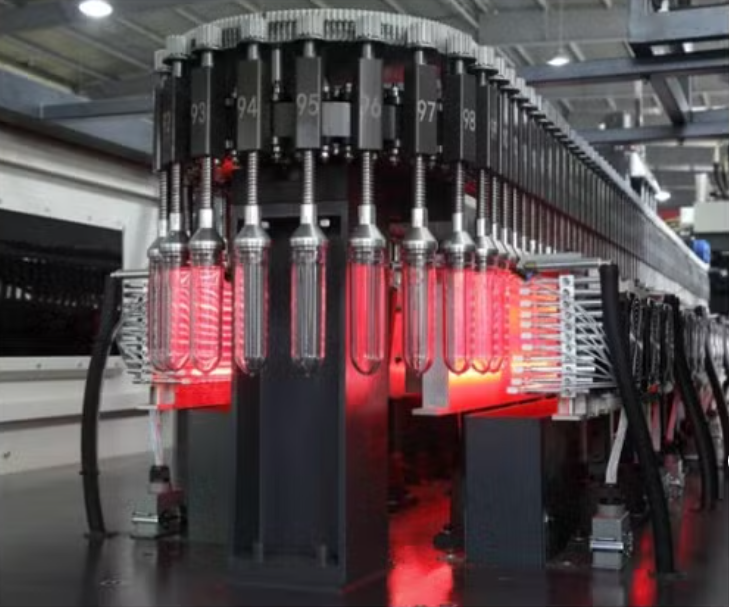
Out on the line, the SBO 20 Series 2 runs with that familiar, steady cadence: preforms threading through the heating tunnel, the stretch blow molder cycling, the whole line hitting its numbers. When the infrared heater starts to slip, that rhythm goes sideways. Preforms come out uneven—some still cool, some overheated. The machine throttles back to compensate. Then you’re chasing rejects, rework, and that nagging worry that the line is about to stop when you can’t afford it. The fix isn’t a guess. It’s a heater spare built to match the interface and thermal behavior the SBO 20 Series 2 expects, point for point.
What matters under the hood: infrared specs and fit
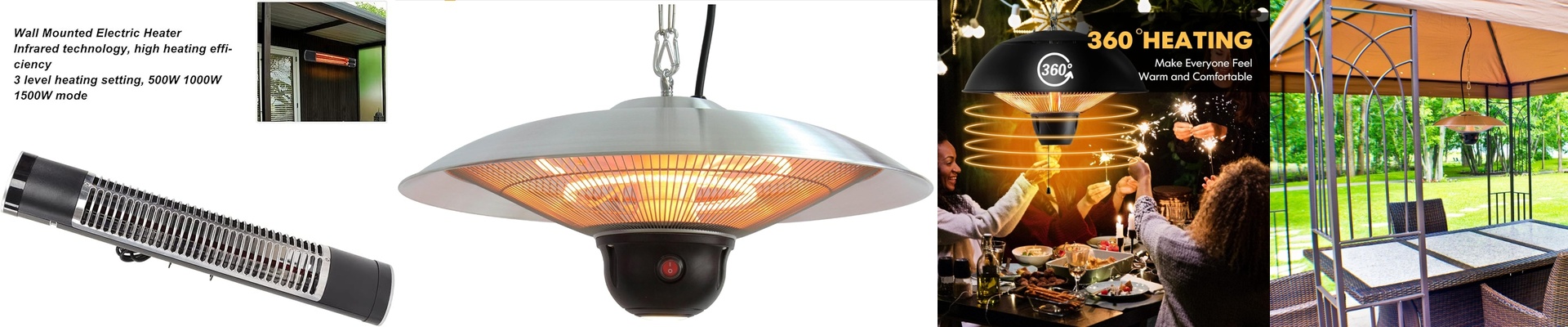
We build the Sidel SBO 20 Series 2 heater spare around what actually matters in PET preform heating for stretch blow molding. It’s an infrared emitter, engineered to deliver repeatable output in a compact, high-cycle environment.
- **Technology:**Short-wave infrared, halogen-based emitter. Short-wave energy reacts quickly to control inputs, so the heating tunnel can hit setpoint fast and hold it cycle after cycle.
- **Power and electrical fit:**Rated for the SBO 20 Series 2 voltage and power envelope, matched to the machine’s heater drive and thermal load expectations. This isn’t a “close enough” part—it’s specified to keep control stable and protect the heater circuit.
- **Form factor and mounting:**Dimensions and mounting geometry aligned to the SBO 20 Series 2 heater housing and retention hardware. Even small gaps change airflow, temperature distribution, and service life, so the fit has to be right.
- **Connection and terminations:**Connector type and wiring scheme compatible with the SBO 20 Series 2 heater block interface. You get a direct replacement without rewiring, adapters, or custom brackets.
- **Thermal response and stability:**The emitter is tuned for fast warm-up and stable output in the preform heating zone. In practice, that means less temperature drift on long runs and fewer alarms tied to heating deviations.
- **Output repeatability:**The spectral output is controlled to maintain consistent heating across the tunnel width. That cuts down edge-to-center variation and keeps the preform wall thickness profile predictable. It all comes down to physics and tolerances. PET preforms heat within a tight window. If the emitter is off on output, wavelength, or response time, the machine compensates by slowing down or widening the heating window—and your scrap rate climbs.
Why it works on the SBO 20 Series 2: compatibility that shows up on the line
The SBO 20 Series 2 runs a heating tunnel that has to deliver uniform preform temperature quickly, then hold it while the blow molder cycles. When the original heater ages, output drops and the heating profile drifts. You start seeing:
- Inconsistent preform temperature, showing up as uneven bottle wall thickness, flash, or stress marks.
- More frequent operator adjustments, because the same setpoint no longer produces the same result.
- Higher energy use, as the control system holds a higher setpoint to reach the same preform condition.
- More downtime, because you end up replacing the heater more often. Our SBO 20 Series 2 heater spare is built to restore the original heating behavior.
- 1:1 parameter matchingkeeps the control loop stable. The machine doesn’t have to hunt for the right output, so cycle times stay consistent.
- Fast recovery after bottle changeovercuts setup waste. When you switch formats, the tunnel returns to the correct preform temperature quickly, limiting the first-piece scrap that typically follows a changeover.
- Predictable output means fewer heating-related alarms, which keeps the line running and reduces micro-stops that drag down overall equipment effectiveness.
- **Energy use comes back under control.**A correctly matched emitter avoids the overshoot and holding losses that show up when the heater struggles to meet the required thermal load.
- Longer service intervals are achievablewhen the emitter runs within its rated envelope and the tunnel airflow and alignment are maintained. We’ve seen emitters stay within spec past 5,000 hours in stable conditions, but the real number depends on voltage stability, cooling, and contamination. This isn’t about chasing a headline number. It’s about getting the heating section back to the behavior the blow molder was designed to run with.
The practical stuff: installation, operating conditions, and real-world constraints
A replacement heater only performs as well as its installation and the environment it runs in. Here’s what we tell plant engineers before they swap an emitter.
- **Confirm the exact SBO 20 Series 2 variant and heater position.**Heating zones can differ by configuration. Verify the part number, voltage, and connector style before ordering.
- **Check the reflector and tunnel condition.**A worn reflector, oxidized surface, or misaligned shield changes the heat pattern even with a new emitter. Replace reflectors as needed and align them to the preform path.
- **Clean the heater block and airflow path.**Dust and PET fines act like insulation. They trap heat, raise emitter temperature, and shorten life. Clean during the swap, or the new heater will run hotter than it should.
- **Verify voltage stability at the heater terminals.**Voltage that drifts above or below the rated window pushes the emitter outside its design curve. A small voltage offset can show up as a big change in output and life.
- **Plan for a stabilization period after startup.**Infrared emitters reach stable temperature quickly, but the whole tunnel needs time to rebalance. Give it a short stabilization window before running high-volume production.
- **Handle the emitter correctly.**Oils and contamination on the quartz surface create hot spots and reduce output. Use clean gloves, follow the mounting procedure, and avoid touching the heating element.
- **Respect the operating envelope.**Short-wave halogen emitters are strong and fast, but they’re sensitive to airflow, cooling, and ambient temperature. If the tunnel runs too hot or too cool, the emitter won’t behave as rated. One practical trade-off: infrared heaters deliver fast response and high intensity, but they can be more sensitive to voltage fluctuation and contamination than some other heating methods. That sensitivity is exactly why matching matters—when the emitter, wiring, and control are aligned, the system is less likely to drift. If you want to talk through your SBO 20 Series 2 setup, tell us the machine variant, the heating zone layout, and the symptoms you’re seeing. We’ll match the spare to the spec and get your heating profile back where it should be.