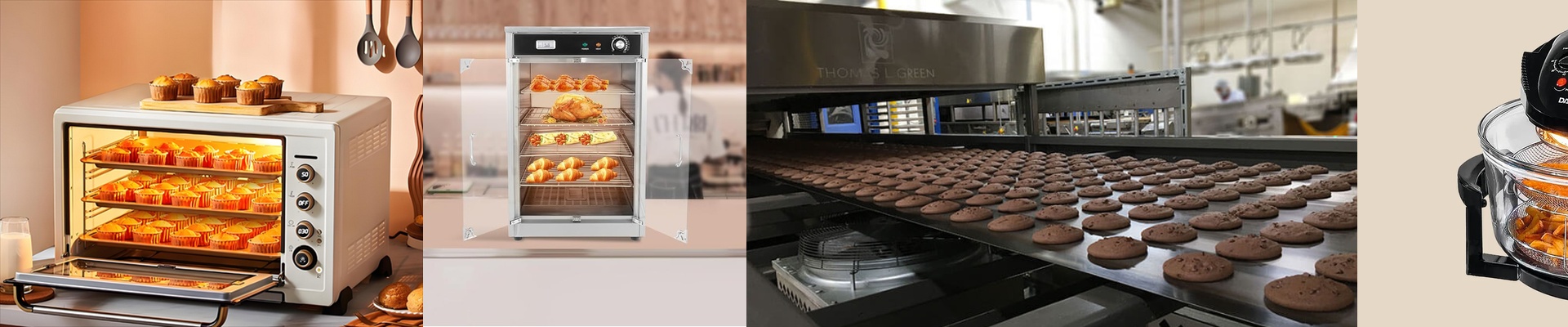

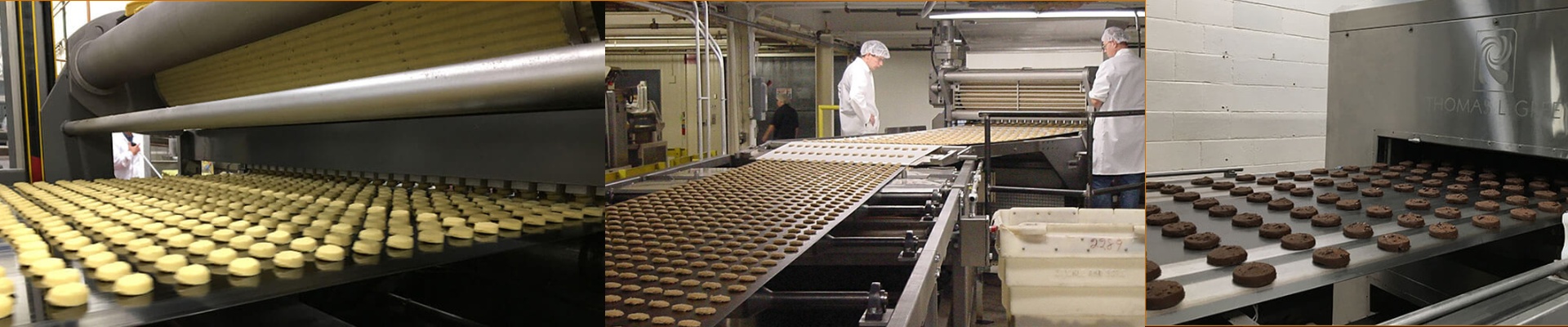
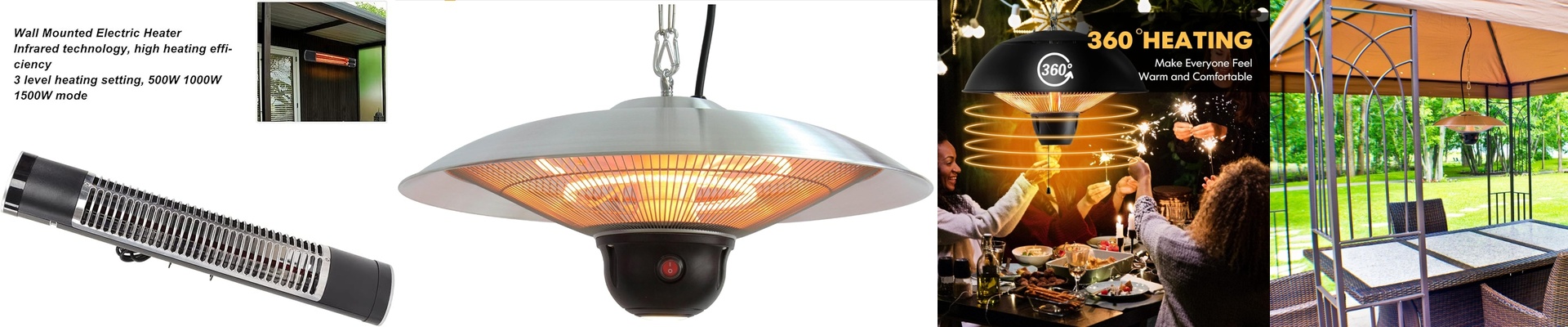
The Secret to That Perfect Crunch (Without Drying Out the Middle)
Ever struggle to get that gold-standard bakery finish—where the outside is perfectly crisp but the inside is still soft and moist? It’s a tough balance. If you just blast the air with convection, you often end up with a burnt crust and a raw center. That’s why we lean on shortwave IR. Instead of heating up the air around the food, IR sends energy straight into the product. Here is the cool part: because it’s shortwave, the heat doesn’t just sit on the surface. It actually sinks deeper into the dough. This lets you trigger that beautiful brown Maillard reaction on the outside while keeping the moisture locked in where it belongs. The Gear We build these elements using high-purity quartz tubes. Why? Because they can handle the “thermal shock” of turning on and off rapidly without just snapping. We usually pair them with R7s or Sk15 connectors so everything stays snug. Now, let’s talk power. If you pack a 1000W element into a small space, you get a massive, immediate hit of heat. It’s fast. Really fast. And that means you can stop wasting time on long pre-heat cycles. Real-World Warnings Look, these aren’t bulletproof. Quartz is brittle. If someone bumps a lamp while scrubbing down the oven, it’s going to shatter. And a heads-up on your electrics: high-density IR pulls a lot of juice. Make sure your wiring and relays can actually handle the peak current, or you’re looking at a burnout. One last tip? Use a quartz shield. It keeps the grease and flour from gunking up the element. Once those tubes get coated in bakery dust, your heating efficiency tanks and the whole thing stops working the way it should.