
Getting that Perfect Golden Brown (Without the Burn)
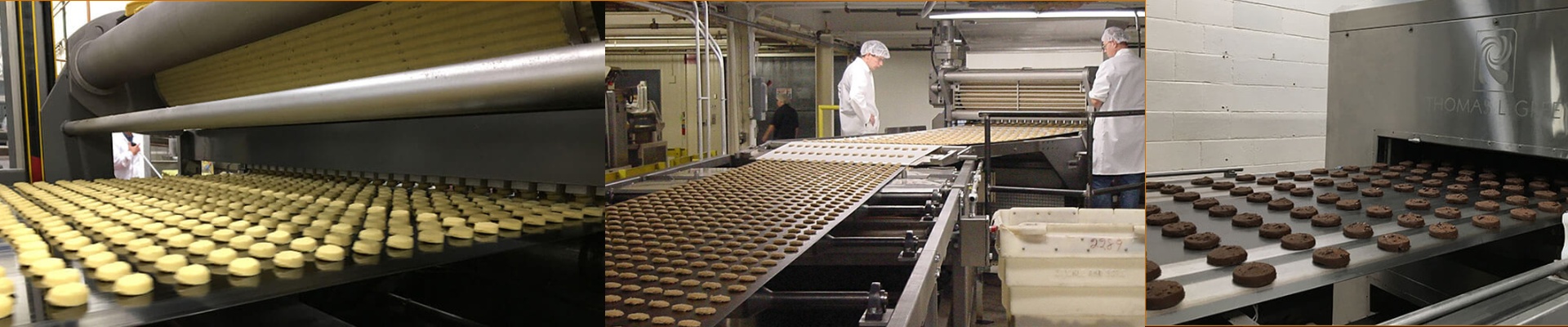
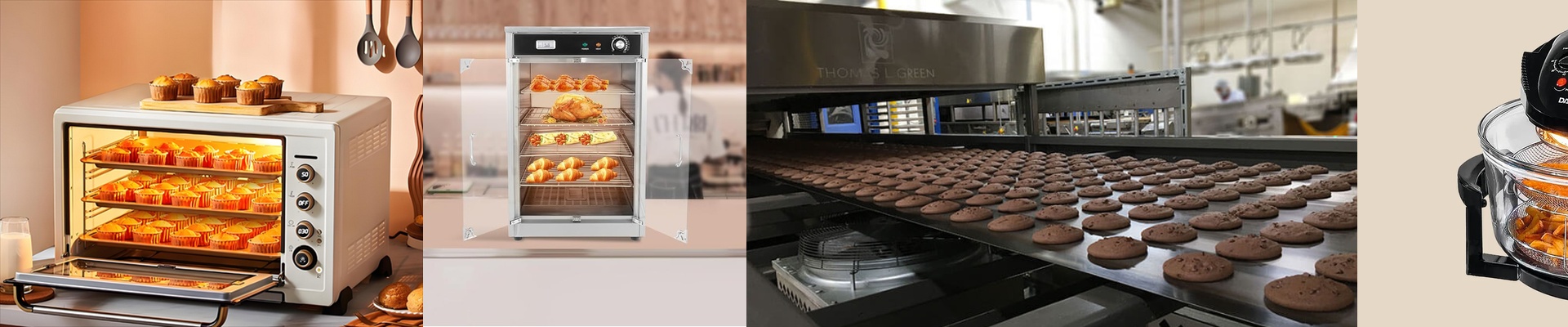
Ever notice how there’s a tiny, frustrating window between a perfect golden crust and a burnt mess? That’s the Maillard reaction. It’s the science of browning, and if you can’t nail the temperature, you end up with bread that’s charred on the outside but raw in the middle. To fix this, we use gold-coated infrared heaters. Sounds fancy, but here is why it actually matters for your bake. The magic of the gold coating Most quartz tubes just blast heat in every direction. We do things differently. By adding a gold coating to the quartz, we reflect the long-wave radiation back into the filament. Basically, it forces the energy into a concentrated, short-wave punch. Instead of the heat drifting around, it hits the surface of the dough hard and fast. We’re talking about temperature spikes that happen in seconds, triggering that beautiful browning almost instantly. Stopping on a dime The best part? These heaters don’t linger. Traditional elements have this annoying “thermal lag”—where they keep pumping out heat even after you’ve turned them off. These gold tubes stop almost the moment you cut the power. If your PID controller is dialed in, you can catch that exact millisecond of caramelization and kill the heat before things go south. No more guesswork. No more burnt batches. A few things to watch out for Now, this kind of heat is aggressive. Because it’s so intense, it puts a lot of pressure on your oven’s ventilation. You’ve got to make sure your airflow is on point. If the ambient heat stays trapped around the lamp sockets, you’re risking melted wiring or oxidized connectors. Not a fun way to spend a Tuesday. Putting it into your line We built these to be drop-in replacements for industrial conveyor ovens. Since the gold coating makes the radiant energy way more efficient, you might find you don’t even need as many heating banks to keep your throughput where it needs to be. Just one tip: keep an eye on your power supply. These high-density tubes are sensitive. A few voltage spikes can fry a filament much faster than they would in a standard lamp. Keep the power stable, and you’re golden.