
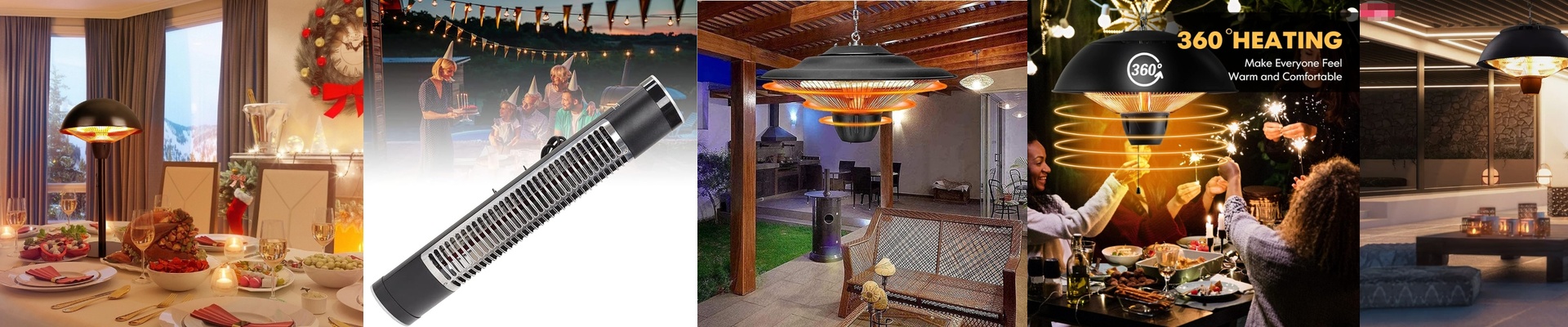
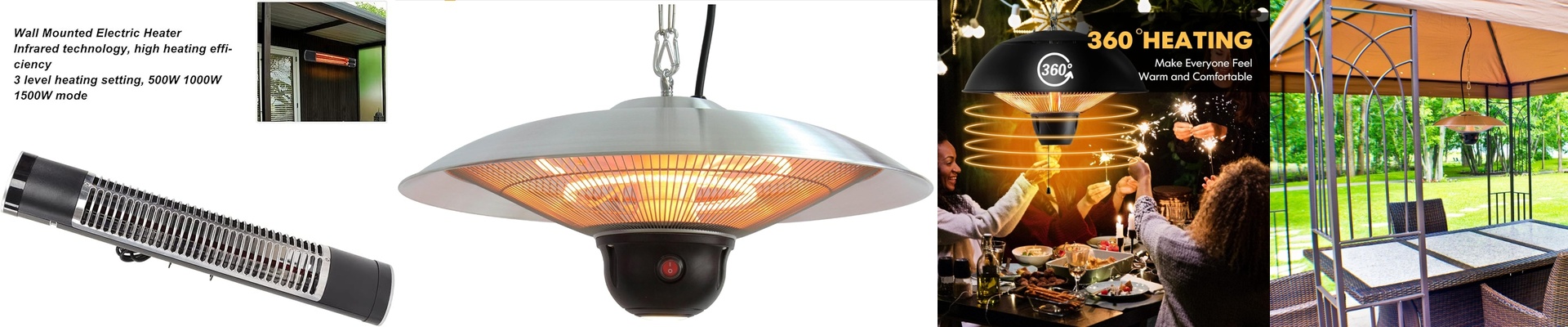
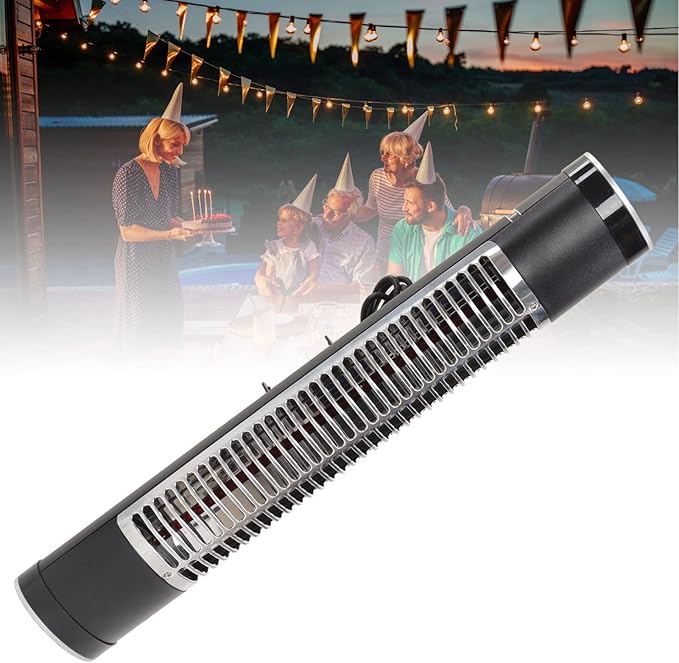
When dusk drops and the air gets that bite, you want heat that shows up—fast. No drama, no glare, just steady warmth. That’s exactly what a low-light infrared heater is built for. It throws radiant heat the way your body recognizes it, without churning air around or washing the area in bright light.
What’s actually going on under the hood
We set this heater up around an infrared element that delivers heat with minimal visible glow, so it can live on a patio, deck, or covered porch without turning the spot into a stage light. The radiant output goes straight for people and surfaces, warming what it hits instead of trying to heat the whole volume of air. So you feel the heat quicker, and it stays more consistent even when a breeze wanders through. In real use, response is fast and coverage holds across a typical outdoor seating area. And it runs quietly—just the low hum you expect from a solid electric heater.
Why this fits outdoor evenings
Evenings outside are about staying in the moment: talking, listening, the quiet. A low-light infrared heater keeps the vibe relaxed. You feel warmth on your skin within moments, shoulders loosen, and the chill backs off—without the distraction of a bright glow. It also makes outdoor living practical longer into the season, so dinner, a book, or a conversation doesn’t have to end because the temperature dropped. And because the heat is directional, you’re not throwing energy at empty air.
What to keep in mind
For the best results, put the unit in a sheltered spot—under a roof or awning—so wind and moisture don’t eat into comfort. Check local electrical requirements; most models plug into a standard outlet, but plan on a dedicated circuit if you’re running it for long stretches. Keep proper clearances around the heater and lean on the safety features that come with it, like tip-over protection and the protective outer grill. It’s meant to be comfortable, and it performs best when you give it a little thought up front.