

Winter turns most offices into a quiet fight between focus and the cold. When the air bites, people hunch over, circulation drops, and that small nagging discomfort snowballs into slower work and more sniffles. Traditional heaters warm the air, which then bleeds out the moment a door opens. Radiators and forced-air systems stir up dust and add noise. Infrared room heaters cut through the problem differently—warming people and surfaces directly, not the empty space in between.
What matters, technically
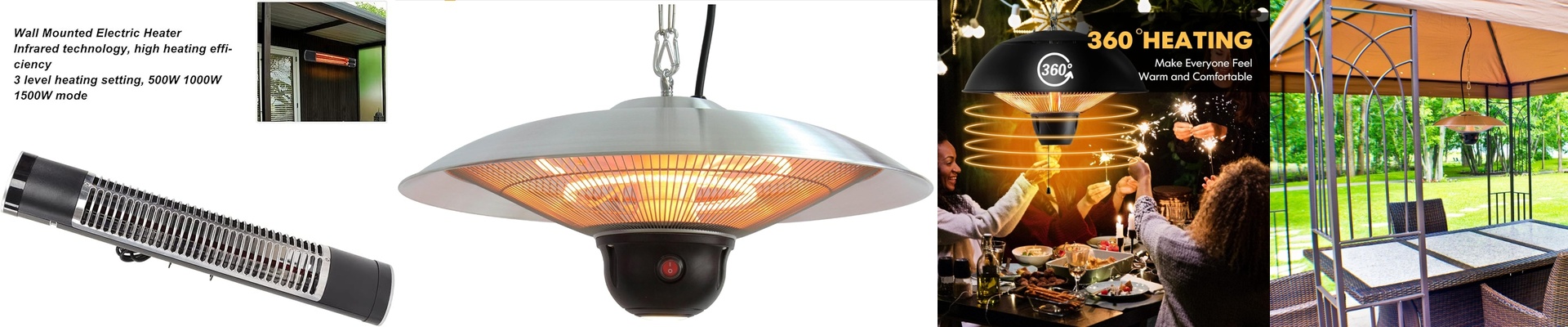
Infrared room heaters deliver radiant warmth, the same way the sun does—just without the UV. You feel the heat within seconds of turning the unit on because the energy travels in straight lines and gets absorbed by skin, clothing, and even desk surfaces. Most quality models use quartz tubes or carbon fiber elements to produce medium-wave infrared, striking a practical balance between penetrating warmth and a comfortable surface temperature. Look for adjustable power settings, a built-in thermostat, and real safety features like tip-over protection and an overheat cut-off. For office use, a 120V plug-in electric heater is usually the simplest route. And quiet operation matters when you need calls to stay clear and concentration to hold steady.
Why it works in an office
In an office, comfort isn’t a perk—it’s a performance factor. Radiant heat helps the body feel steady, which keeps shoulders relaxed, typing consistent, and distractions down. People who feel warm tend to breathe more easily, and stable warmth supports better circulation during long stretches at the desk. Because infrared warms directly, you don’t have to overheat the whole room to feel comfortable. That often translates to lower energy use compared to trying to heat the entire air volume. The payoff is a space where people work more comfortably, and the steady background warmth can help reduce the stress that makes winter colds feel worse.
What you need to know
Infrared heaters do their best work when they face open work areas, not when they’re tucked behind furniture. Keep a clear distance to objects and people, and follow the clearances in the manual—no guesswork. These units are designed to heat line-of-sight zones, so walls and partitions can create cooler pockets. Plan the location to cover the people, not just the square footage. And like any electric heater, it needs a dedicated outlet. Don’t daisy-chain it with other high-wattage devices. When you position it thoughtfully, it runs quietly, heats quickly, and delivers dependable warmth exactly where you need it.