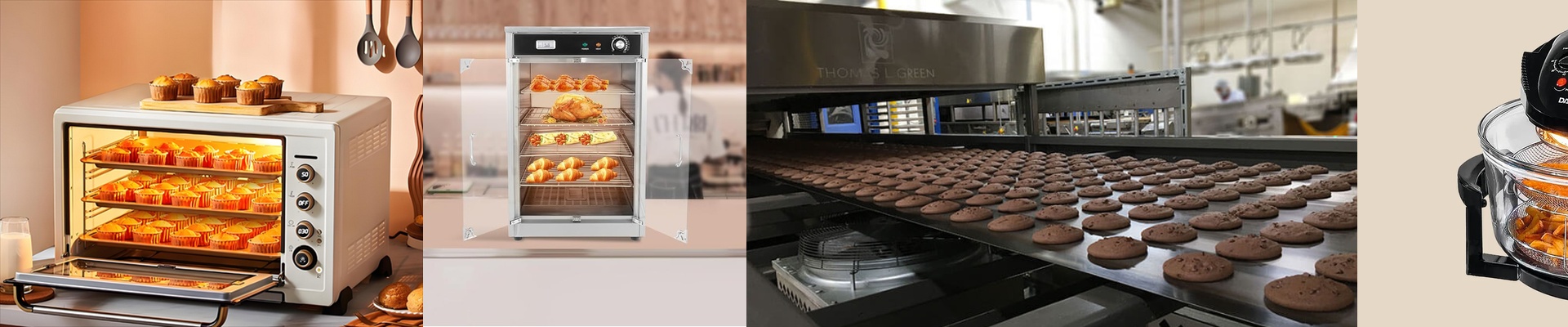
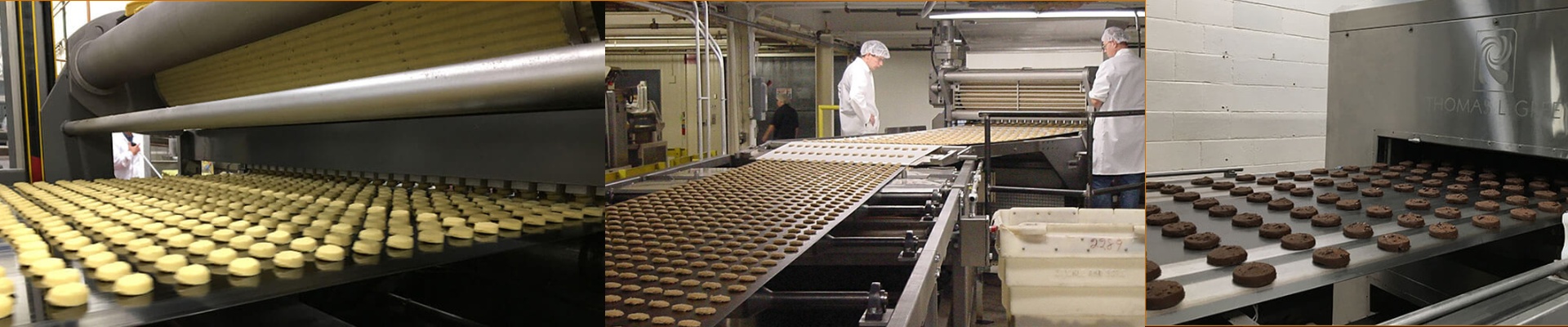

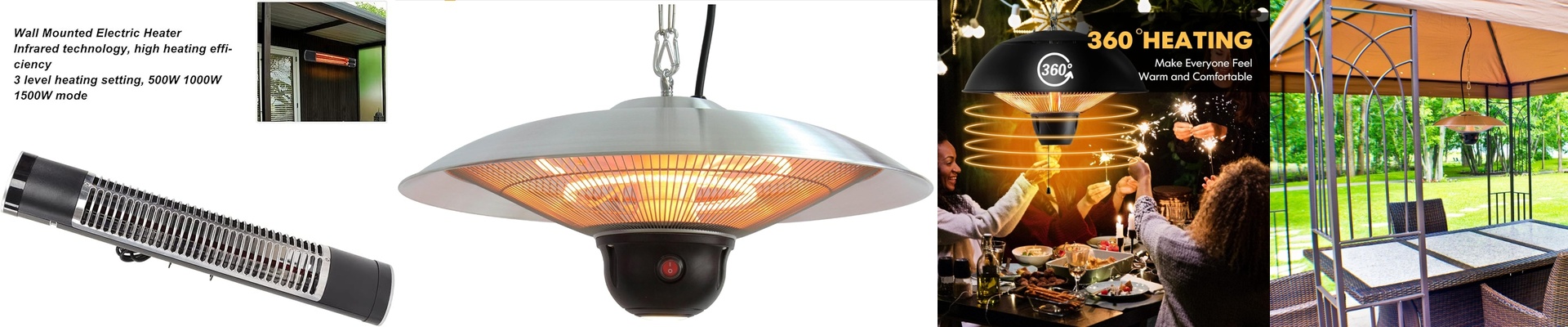
Getting That Perfect Golden Brown: Why Shortwave IR Matters in Rotary Ovens
Ever wonder why some bread comes out of a rotary oven with that flawless, golden-brown crust while others just look… pale? It’s not really about how hot the air in the oven is. It’s all about how you move energy onto the surface of the dough. If you want that professional finish in a few seconds, you need shortwave infrared (SWIR) emitters. Think of these lamps like a shortcut. Instead of waiting for the air to heat up the bread, they hit the surface directly. This triggers the Maillard reaction—the magic that creates that brown color and toasted smell—almost instantly.
Speed and Power
In a rotary oven, your product is always on the move. You only have a tiny window of time to get the color right before the bread moves on. That’s why we use high-wattage halogen quartz tubes. They’re incredibly fast. While old-school heating elements take forever to warm up, these lamps hit full power the second you flip the switch. Because they react so quickly, your PLC can pulse the heat on and off with total precision. It means you can get a gorgeous top crust without accidentally burning the outside while the middle is still raw.
The Nitty-Gritty on Build
We designed these to be simple drop-in replacements. No headaches. Most of our units use R7s or SK15 connectors. We do this to make sure the electrical fit is tight, which stops arcing when things get hot. We also often coat the quartz glass. This shifts the heat spectrum so the energy goes straight into the food, rather than wasting it by heating up the oven’s metal frame.
The Trade-offs
Now, all this power comes with a few catches. Pushing that much heat puts a lot of stress on the lamp sockets. You’ve got to make sure your wiring can actually handle the current. And please, check your cooling fans. If they aren’t spec’d right, your connector housings will literally melt. Also, keep an eye on your voltage. If it jumps around, your lamps won’t last nearly as long. One last thing: your belt speed is everything. It’s a balancing act. If the lamps are too powerful for how fast your line is moving, you’ll scorch the bread. Too weak? You lose that professional look. You have to match the wattage to the speed to get it just right.