

Making Industrial Ceiling Heaters Actually Smart
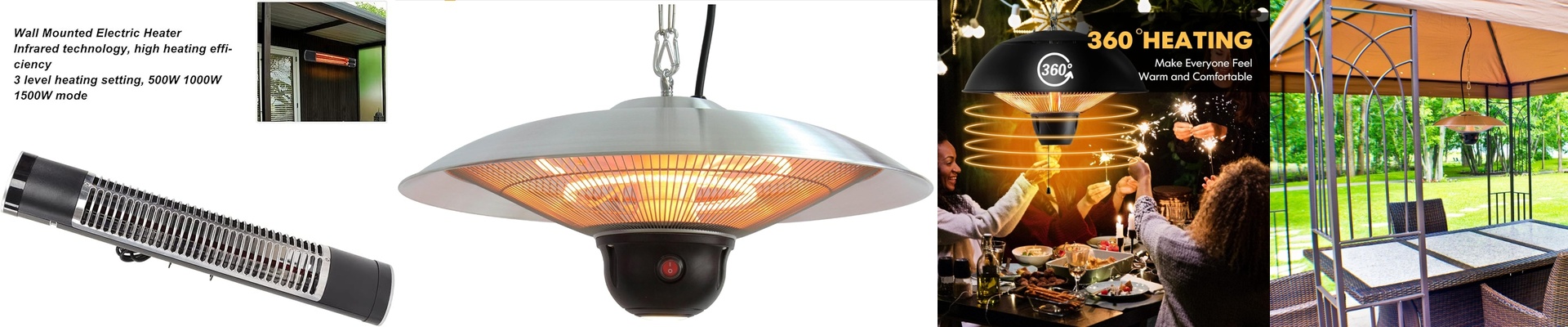
Most people think of heating as warming up the air in a room. But these industrial ceiling heaters work differently. They beam heat directly onto the people and gear below. It’s more like standing in the sun on a crisp October morning. Now, you can run these with a basic wall switch, but that’s a pain. When you hook them up to a smart home setup or a building management system, you stop guessing and start using actual logic to keep the shop warm. The gear you’ll actually need Here is the catch: you can’t just plug a high-wattage industrial heater into a little smart plug you bought online. It’ll fry in seconds because these heaters pull way too much power. Instead, we use contactors or Solid State Relays (SSRs). Think of these as the “muscle.” Your smart controller—whether it’s Zigbee, Matter, or a PLC—acts as the “brain.” It sends a tiny signal to the relay, which then snaps the main power circuit shut and kicks the heat on. Instant warmth (and saving your gear) The best part about short-wave infrared is that it’s fast. Like, really fast. You hit a button on your phone, and you feel the heat almost instantly. But you don’t want these things running 24/7—that’s a great way to burn out your elements. We usually pair the heaters with motion sensors and thermometers. This way, the heat only kicks in when someone is actually standing on the floor and the temp has dipped too low. It’s simpler, and it saves a lot of money on the electric bill. The reality check Adding “smart” tech means adding more things that can break. If your Wi-Fi decides to take a nap or your hub crashes in the middle of January, you don’t want to be freezing in your own workshop. That’s why I always put in a physical manual override switch. It’s a simple “dumb” switch that works no matter what the network is doing. One last tip: don’t let the system flicker the heater on and off every two minutes. That constant clicking wears out the relays. We build a little “buffer” into the software—what the engineers call a hysteresis loop—just to make sure the hardware lasts for years instead of months.