

How to actually keep people warm in wet spaces
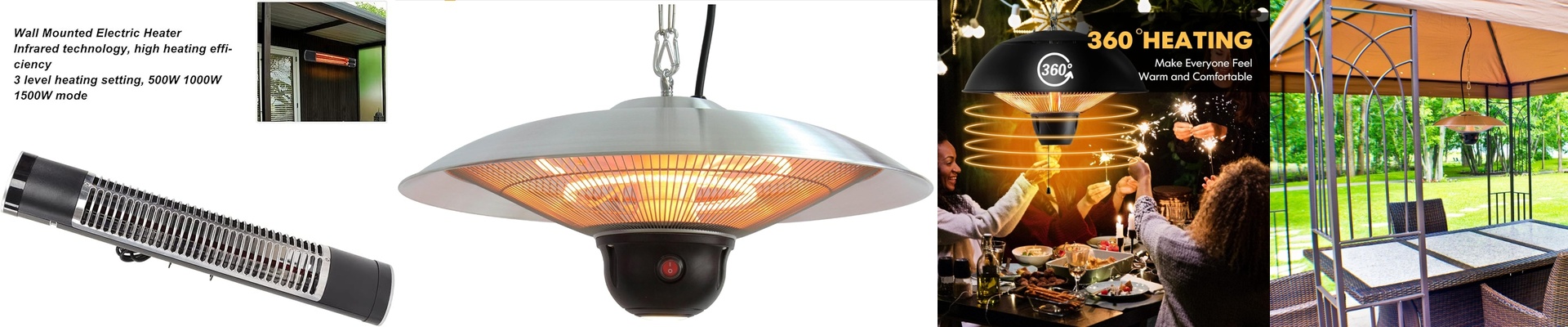
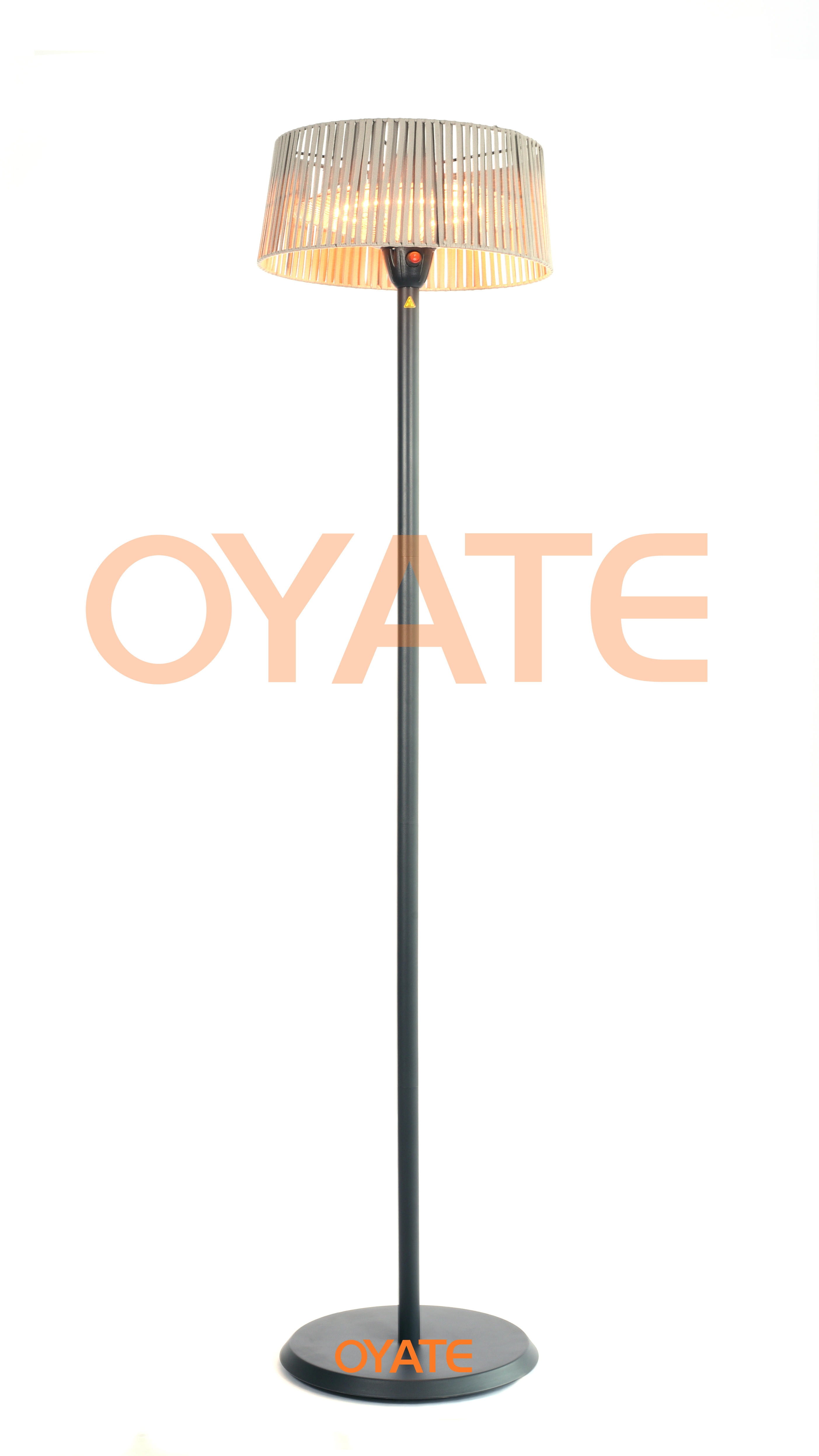
Nobody likes shivering in a freezing changing room. It’s miserable. If you want to turn a cold, damp space into something cozy in a matter of seconds, you can’t rely on standard heaters. You need shortwave infrared. Here is why: most heaters try to warm up the air. But in a big room, that takes forever. Infrared is different. It sends out radiation that hits your skin and the walls directly. It’s like stepping into sunlight on a winter day. You feel it instantly. Dealing with the damp When you’re dealing with changing areas or outdoor spots, water is everywhere. Steam, splashes, humidity—it’s a mess for electronics. That’s why we stick to IP65-rated units. In plain English, that means the housing is tight enough to keep out dust and can handle a direct blast of water without flinching. We make sure the electrical junctions and lamp housings are sealed tight. If moisture sneaks into the circuitry, you’re looking at a short circuit or a dead heater. An IP65 seal just means the gear can take a beating and keep working. Why shortwave works The beauty of shortwave emitters is that they don’t care about air movement. You don’t need a massive, clunky HVAC system taking up half your ceiling. The heat just travels through the air without losing its punch, landing exactly where the person is standing. It feels high-end. It feels like a luxury hotel. A few things to watch out for Now, there is a catch. These lamps get incredibly hot. Like, really hot. Because the heat is so intense, where you hang them matters. If you mount them too low, you’re going to burn someone. Too high, and the warmth disappears before it hits the floor. We usually suggest a minimum height of 2.2 meters for ceiling mounts. It’s the sweet spot for safety and warmth. One last tip: don’t just plug these into any old outlet. The initial power draw when they kick on is heavy, so you’ll need dedicated circuits to keep your breakers from tripping.