

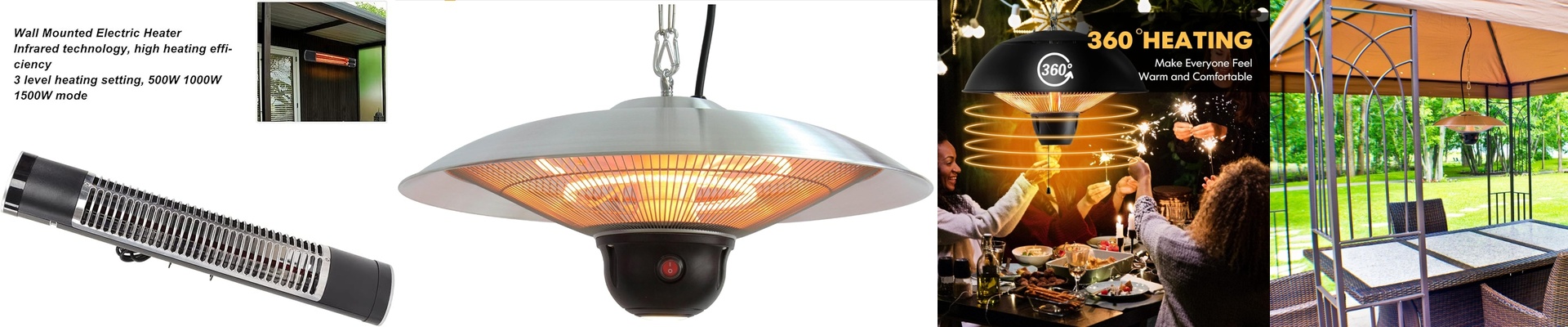

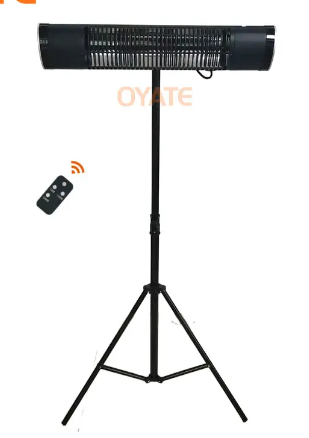
Keeping Your Bathroom Heater Safe (and Dry)
Let’s be honest: bathrooms are a nightmare for electronics. You’ve got thick steam, random splashes, and constant humidity. It’s a recipe for a short circuit if you aren’t careful. That’s why we build our infrared heaters to the IP55 standard. In plain English? It means the housing is tight enough to keep out dust and can handle water jets hitting it from any angle without breaking a sweat.
The Battle Against Moisture
Humidity is a silent killer for electrical gear. Water vapor loves to sneak into standard casings, creating little “bridges” of moisture across terminals that lead to leaks. We stop that from happening with sealed gaskets and special potting compounds around where the wires enter the unit. The goal is simple: keep the live heating element and the outer chassis completely separate. We use high-temp silicone seals in the junction box for a reason. If water leaks into that terminal block, your RCD (that safety switch in your panel) will trip immediately, and you’re left in the cold. By locking those connections in a moisture-proof chamber, the heater stays stable even when the room is a total sauna.
Dealing with the Heat
Infrared lamps get incredibly hot. This creates a bit of a headache: the seals have to be watertight, but they can’t melt the moment the heater kicks in. We picked materials that can handle the quartz tube expanding and contracting as it heats up without ruining that IP55 seal. And a quick tip on the wiring: don’t use standard PVC jackets. They’ll just burn out and crack near the lamp head. We use heat-resistant cabling so you don’t have to worry about the insulation failing over time.
A Few Things to Keep in Mind
An IP55 rating is great, but it doesn’t make the installation “magic.” You still need to wire this thing into a dedicated GFCI or RCD breaker. Safety first. Also, remember that because the unit is so tightly sealed, the internal electronics can’t “breathe” as easily as they would in an open-air heater. This means you can’t just push more wattage through the system than the chassis is rated for. If you do, you’ll cook the internal seals, and suddenly, your waterproof rating is gone.