
Why Your Bathroom Heater Needs to Actually Handle Water
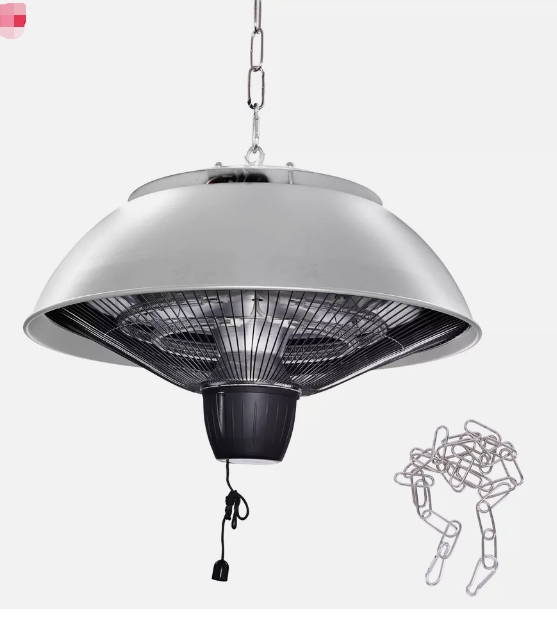
Let’s be honest: those old-school heat lamps in bathrooms are kind of a joke. They’re basically just big lightbulbs that get hot, and they have zero protection against the actual environment they live in. That’s why we’re moving toward IP65-rated infrared heaters. If you aren’t familiar with the jargon, IP65 just means the thing is dust-tight and can take a direct spray of water from any angle without dying. Because in a bathroom, between the steam and the splashes, your heater is basically fighting a war against moisture every single day.
Making it Waterproof (Without Breaking It)
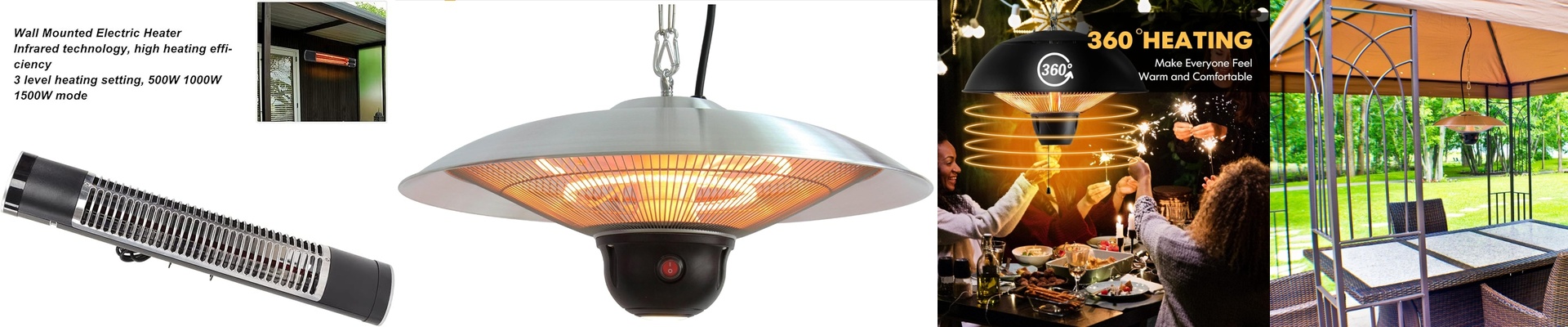
You can’t just wrap a heater in some plastic and call it a day. That doesn’t work. To make these things truly waterproof, we use heavy-duty gaskets and sealed cable entries. It’s all about keeping the moisture away from the electrical terminals. Steam is sneaky—it gets into everything. And when water hits a live heating element? That’s how you end up with a blown fuse or a short circuit. We seal the connections tight so that doesn’t happen. The real magic, though, is the short-wave infrared tech. Instead of trying to warm up all the air in the room (which takes forever), it sends heat directly to you. It’s instant. You feel it the second you flip the switch.
The Balancing Act
Here is the tricky part: sealing a heater to keep water out creates a heat trap. When you lock a unit down to hit that IP65 rating, the heat has nowhere to go. If you use cheap housing materials, the whole casing will just warp from the stress. It’s a constant balancing act. You need a seal that’s tight enough to stop a leak, but a chassis that can actually breathe or sink the heat away so the unit doesn’t melt itself.
A Note for the Pros
If you’re installing these, don’t just throw them on any old circuit. You need a dedicated GFCI setup. Since these are sitting in high-moisture zones, the risk of leakage current is a real thing. Safety first. The best part is that we’ve designed these as easy swaps. You rip out the old, fragile bulb, drop in a sealed infrared module, wire it to a moisture-rated switch, and you’re done. No more worrying about the unit burning out after a few months of heavy steam. It just works.