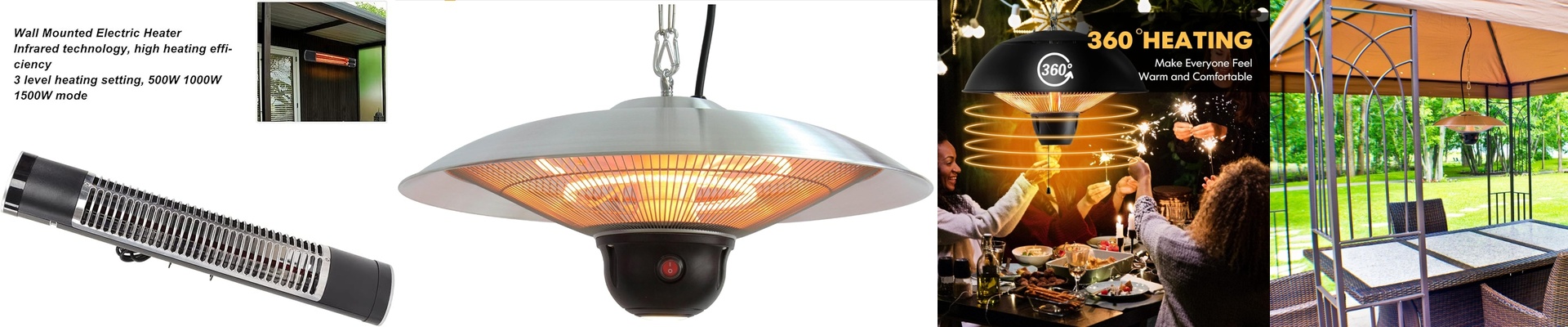


Keeping Your Bathroom Infrared Heaters Safe (Without the Headache)
Let’s be honest: putting a high-powered heater in a room full of steam and splashing water is a bit like playing with fire. Or, more accurately, electricity. To keep things from going sideways, we stick to IP44 standards. In plain English? It means the unit can handle a few splashes from any angle and keep out any stray bits of debris.
Making Sure the Power Stays Where It Should
The goal is simple: keep the water away from the electricity. We use sealed housings and heavy-duty insulation to isolate the live parts. While the heating element itself lives inside a quartz glass tube, the real danger zones are the connection points. That’s why we use moisture-proof gaskets and sealed cable entries. Steam is sneaky—it finds every little gap—so we block those paths before the moisture can migrate into the wiring. And please, make sure your grounding is bonded directly to the chassis. In a wet bathroom, if there’s even a tiny leak in the insulation, you want that RCD (Residual Current Device) to trip instantly. We also pour silicone potting compounds into the junction boxes. This stops “capillary action,” which is just a fancy way of saying it stops water from literally climbing up the wires and into the terminals.
The Big Tug-of-War: Seals vs. Heat
Here’s the tricky part. Tight seals are great for keeping water out, but they’re terrible for letting heat escape. If you seal everything up too tight, the air around the lamp’s base can’t move. If you push too many watts into a tiny, airtight space, you’ll end up frying the socket or melting the wire insulation over time. It’s all about finding that sweet spot between a watertight seal and enough breathing room for the lamp to stay cool.
A Few Tips for the Install
When you’re wiring these up, skip the standard electrical tape. It looks fine at first, but the steam will peel it right off. Use heat-shrink tubing with adhesive linings on all your splices instead. It actually stays put. One last thing: think about where you mount the heater. You want it high enough so you aren’t spraying it directly with the shower head, but far enough away from any walls or ceilings that could catch a spark. Safety first, warmth second.