
Getting Your Heat Right in Sidel Matrix Systems
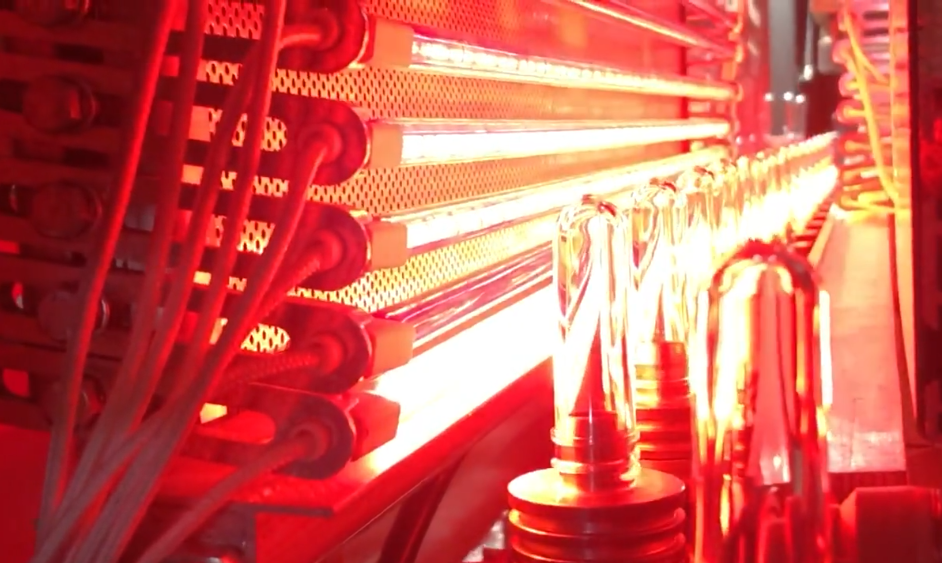
Here is the deal when you’re swapping out OEM lamps in a Sidel Matrix blower: the biggest headache is the temperature profile. If the wattage is off or the light spectrum shifts, you’re in trouble. Your PET preforms will either come out under-heated or, worse, scorched. That’s why we built our replacement lamps to be a total match. We want them to slide right in and keep your heating curve exactly where the factory intended. No guessing games with the power We don’t do “close enough” when it comes to voltage or wattage. We mirror the electrical resistance and the physical length of the Sidel originals. Why? Because your control system is picky. If the current fluctuates, it’ll throw an error and stop your line. By nailing the wattage, the heat density stays the same. You get the same punch of heat without having to spend hours reprogramming your oven settings. It just works. The science of the glass We use high-purity quartz because these things take a beating. Rapid heat cycling is brutal, and the glass needs to handle that shock without cracking. We also focus heavily on short-wave infrared. That’s the specific kind of energy PET actually absorbs. Plus, we make sure the filament is perfectly centered so you don’t get weird hot spots on the tube wall. And since we use standard industrial connectors, you can just plug them into your existing harness. No hacking, no modifying, no stress. Real talk: Making it work on the floor These lamps are built for the chaos of high-speed PET blowing. They’re tough. And because they fit the OEM footprint, you can get them installed and get back to production fast. But a quick heads-up: a perfect lamp can’t fix a dirty oven. If your reflectors are pitted or covered in grime, you aren’t going to hit your target temperature. Take a minute to clean those reflectors while you’re swapping the lamps. Also, if you’re pushing these lamps to the limit for long shifts, keep an eye on your cooling fans. High heat density puts a lot of pressure on your ventilation, and you don’t want things overheating.