
Stop the Headache of Heating Fluctuations in Your PET Lines
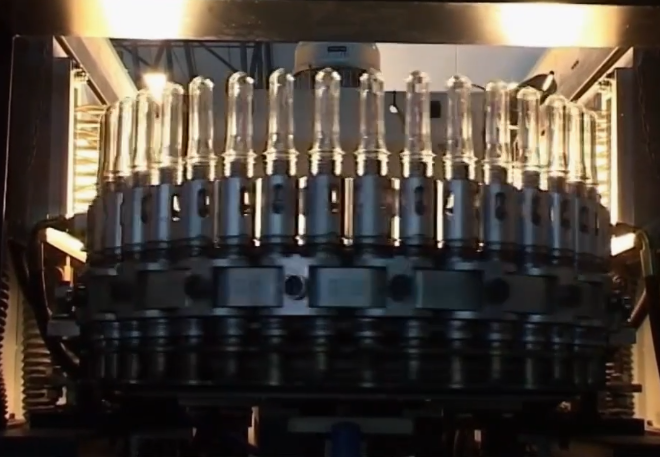
Ever notice your SIPA rotary machines acting up? One minute everything is fine, and the next, you’ve got wall thickness issues or bottles failing left and right. Usually, the culprit is something simple: the lamps. When you throw in replacement lamps that don’t quite match the original wattage or spectral output, you’re asking for trouble. The preforms don’t heat evenly, and that’s where the failures start. We build our lamps to hit those original OEM specs exactly. No guessing, no “close enough.” Just a steady, reliable heat.
Why “Close Enough” Doesn’t Work
Here’s the thing about IR energy: it has to be precise. If a lamp is off by even 5%, that preform is hitting the mold under-heated. It sounds tiny, but it ruins the bottle. We keep a really tight grip on wattage tolerances so the heat stays constant across the whole oven bank. The best part? You just pop them in. You don’t have to spend your afternoon messing with PID controllers or tweaking conveyor speeds. It just works.
The Nitty-Gritty: Quartz and Connections
We use high-purity quartz glass because these things go through a lot of thermal shock. They heat up and cool down fast, and cheap glass just can’t take it. Then there are the connectors—usually R7s or Sk15. If the fit isn’t snug, you get arcing. An arc point is basically a countdown to a burnt-out socket. Inside the tube, the halogen cycle keeps the filament centered. This stops the “sag” that usually creates those annoying hot spots on your preforms.
Real Talk from the Shop Floor
These lamps are designed to push out high heat density to keep your cycle times fast. But there’s a catch. Running at 100% power puts a lot of stress on your reflectors. If yours are pitted or oxidized, the energy isn’t actually hitting the preform. Now, I know the temptation here is to just crank up the voltage to compensate.Don’t do that. Over-volting your lamps to make up for dirty reflectors is a great way to kill your tubes early. Keep those reflectors clean, and your quartz will actually last as long as it should.