
Stop Letting Your Oven Slow Down Your Production
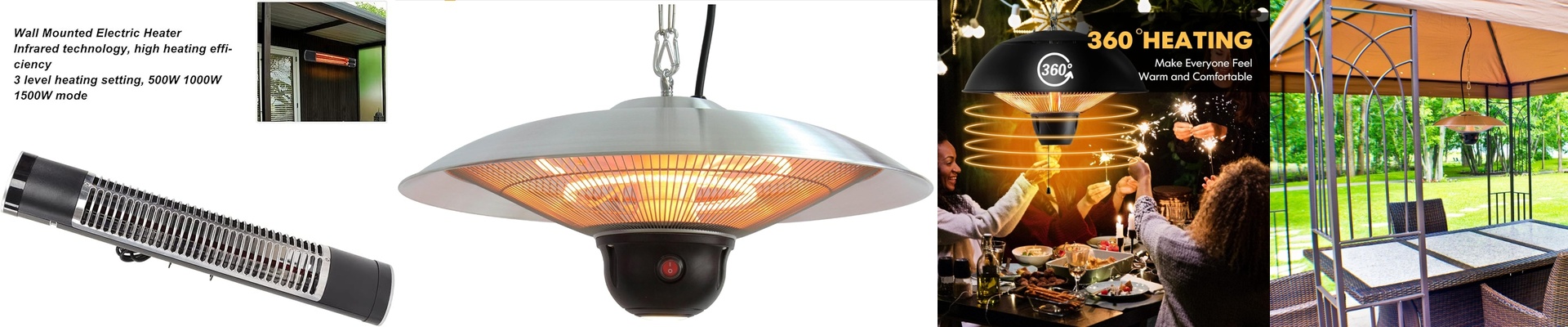
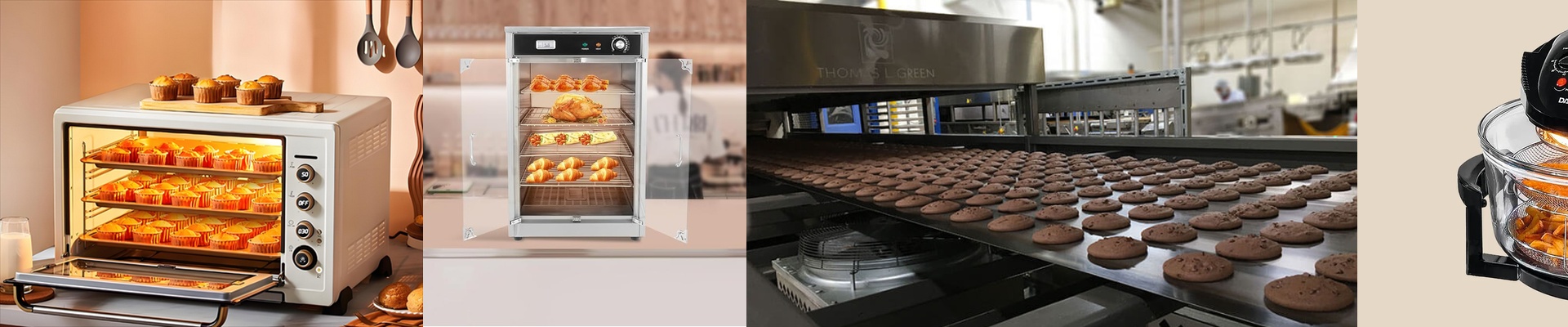
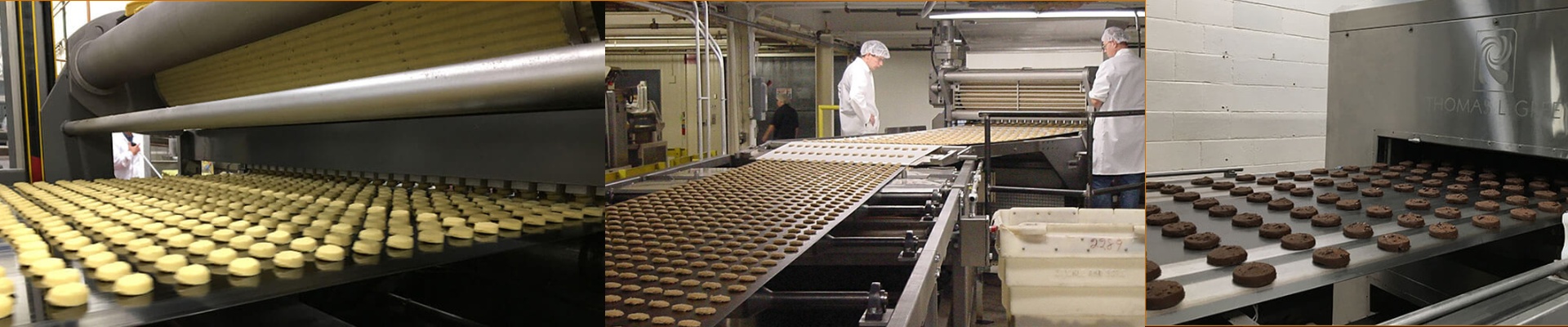
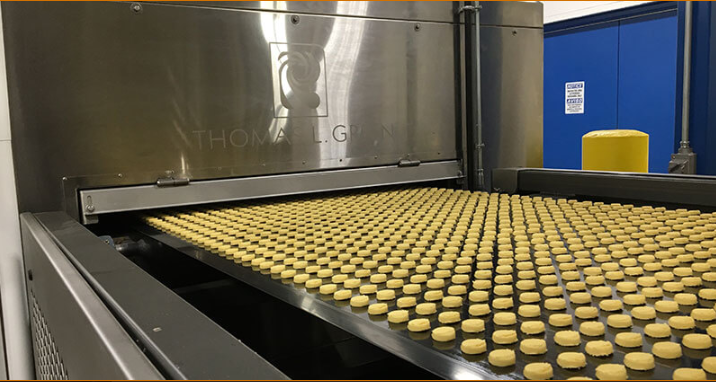
If you’ve ever run a bakery line, you know the headache of the bottleneck. You want to pump out more parts per minute, but the heating stage just can’t keep up. Standard convection heating is the usual culprit—it relies on moving air, which is honestly just too slow when you’re trying to scale. That’s why we lean on circular ceramic infrared heaters for fryers and ovens. Instead of waiting for hot air to do the work, these heaters beam energy straight into the food. It’s direct. It’s fast. Getting the core hot, fast Here is the real win: these ceramic heaters pack a punch. Because the ceramic housing protects the inner element while letting infrared waves pass right through, the heat hits the center of your product way quicker. This means you can crank up the conveyor belt speed without worrying about a frozen or raw center. Plus, since we can cram more wattage into every inch, you don’t need a massive heating zone. Your machine stays smaller, leaving you more room on the factory floor. Built for the grease and the grind Let’s be honest—fryers are a nightmare for equipment. Between the grease buildup and the constant temperature swings, standard lamps usually just give up and burn out. We use a high-alumina ceramic that can actually handle the abuse. It doesn’t care about chemical corrosion or the occasional bump. And because the heaters are circular, the heat spreads evenly. No more charred edges on one side and undercooked dough on the other. Everything coming off the belt looks the same. A few things to watch out for Now, this isn’t some magic wand. When you’re dealing with this much heat density, your machine chassis is going to soak up a lot of that warmth. You’ve got to get your cooling fans and insulation right, or your control electronics will start frying. If you push the wattage to the limit without enough airflow around the housing, you’re just asking for the elements to fail early. One last tip: use high-temp leads for your wiring. Trust me, you don’t want to deal with melted insulation in the middle of a shift.