Stop Fighting with Your SIPA Rotary Blow Molding
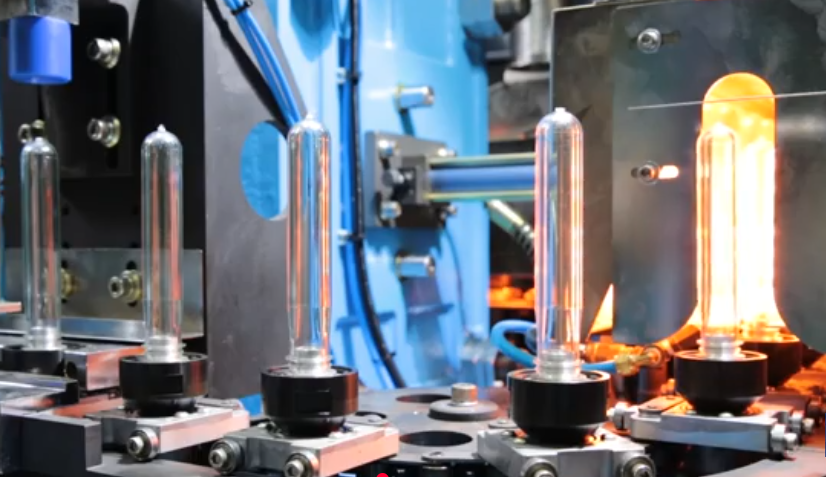
Ever feel like you’re playing a guessing game with your preforms? One minute they’re perfect, and the next, you’ve got wall thickness all over the place or bottles bursting right on the line. It’s frustrating. Most of the time, the culprit isn’t the machine itself. It’s the lamps. A lot of shops try to save a few bucks with generic infrared lamps, but those rarely match the original OEM power specs. When your voltage and wattage are off, you get those annoying “cold spots” in the oven. Your plastic just doesn’t soften evenly, and that’s where the trouble starts. Getting the power right We focus on 100% power matching because, frankly, the physics don’t lie. If your SIPA setup wants 2500W at a specific voltage, being off by even 5% messes up your entire heating profile. We obsess over the filament density. Why? Because we want the heat to be a steady, linear flow across the whole tube. That way, you don’t end up with scorched ends and a center that’s still too cold to blow. The nuts and bolts We use high-purity quartz glass. It has to be tough to handle the constant thermal shock of rapid cycling without cracking. Depending on your machine, we’ll give you R7s or SK15 connectors. They’re simple drop-in replacements. You won’t have to spend your afternoon rewiring sockets or messing with lamp holders. Plus, the halogen cycle inside the tube stops the filament from burning out too early, so they actually last under a heavy workload. A quick word of caution Here’s the thing: high-wattage shortwave lamps put out a massive amount of heat. That’s great for keeping your cycle times fast, but it puts a lot of pressure on your oven’s ventilation. If your cooling blowers are clogged with dust or just aren’t up to the task, that ambient heat builds up. Before you know it, your lamp holders could start warping. And one more tip—double-check that your power supply can handle a full bank of these lamps running at 100%. We provide a factory price list based on exact wattage and length. It’s the easiest way to make sure you get a match that heats your plastic perfectly without tripping your breakers.