
Getting that Perfect Golden Crust (Without Drying Out Your Bread)
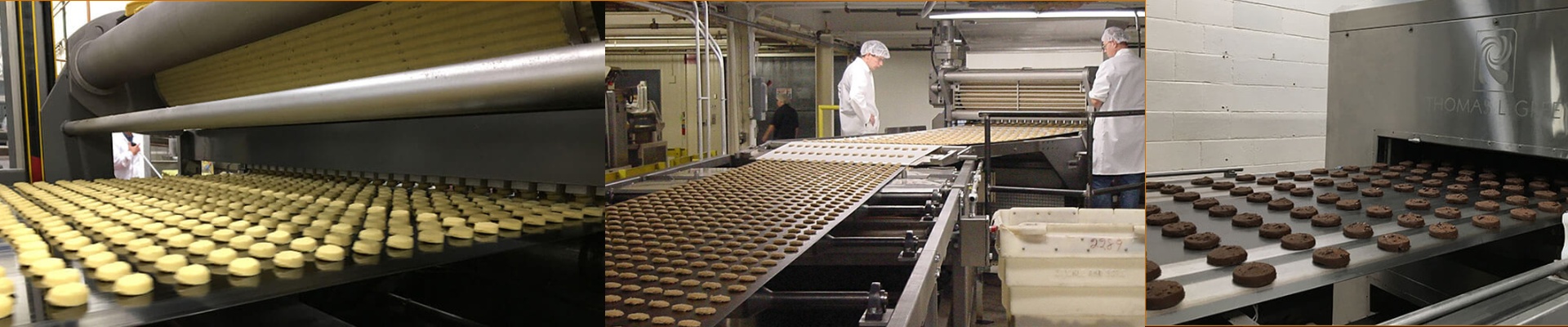
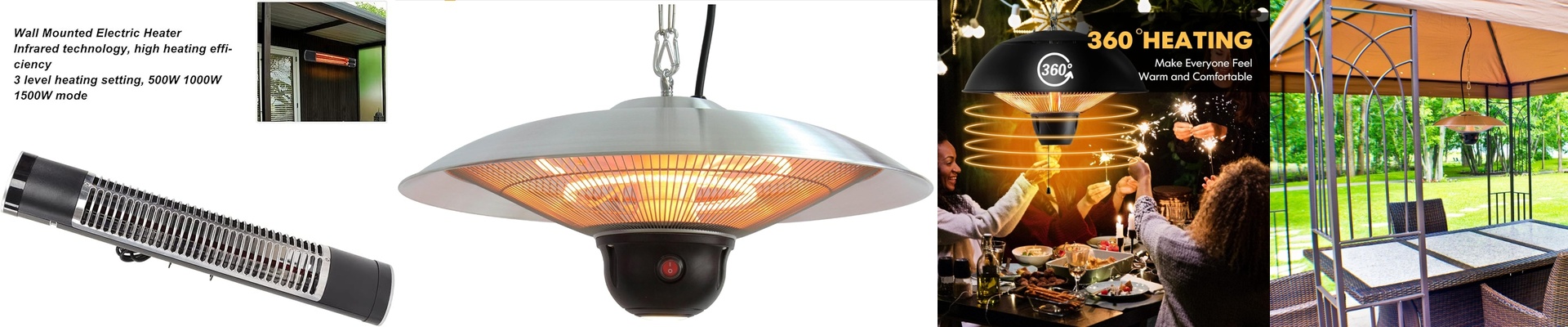
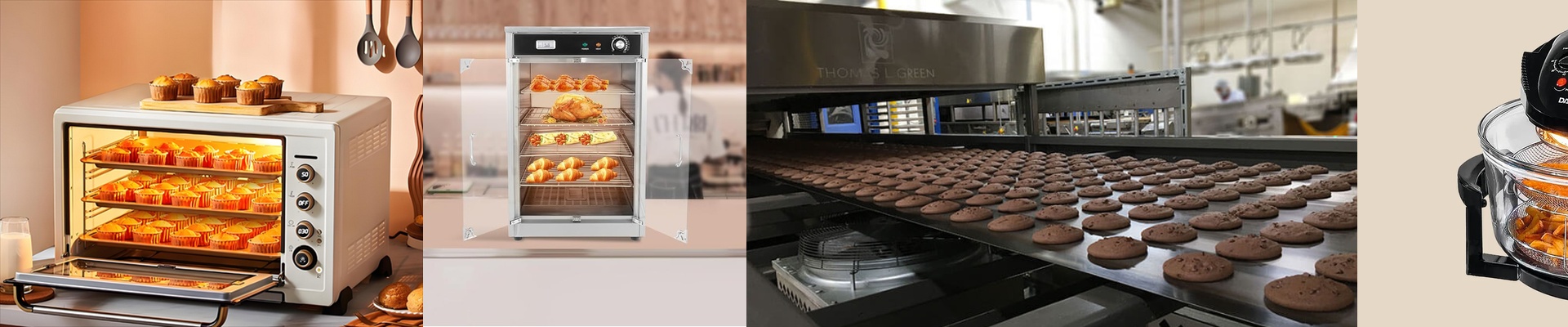
Ever wonder why some bread has that gorgeous, golden-brown crust but the inside stays soft and fluffy? It all comes down to the Maillard reaction. To get it right, you can’t just “bake” the bread—you need a sudden, intense blast of heat that hits the surface and stops the moment the color is perfect. That’s why we use linear quartz infrared tubes. They react in seconds. Traditional convection heaters are too slow for this; they’re like trying to steer a ship when you really need a jet ski. Why the speed matters Most heating elements take forever to warm up and even longer to cool down. If you’re running a fast bakery line, that lag is a nightmare. You end up with burnt edges and uneven browning. Our quartz tubes work differently. They use short-wave infrared energy that sinks into the dough almost instantly. The best part? When you flip the switch off, the heat stops. Right then. It gives you total control over exactly how dark that crust gets. The nuts and bolts We make these tubes from high-purity fused quartz. We do this because the tubes go through a lot of “thermal shock”—switching from ice cold to scorching hot over and over. Cheaper materials would just crack. We also make sure the filament is dead-center. If it’s off-center, you get hot spots and cold spots. Not good. Depending on how fast your line moves, we can tweak the wattage. More power means the bread spends less time in the oven, which means you can push more loaves through the door every hour. The trade-off (and how to handle it) Here is the catch: this much heat is intense. It puts a lot of stress on the oven housing. You have to keep your reflectors polished and your cooling fans running strong. If flour dust builds up or the reflectors get dull, your efficiency tanks. You’ll start seeing weird, patchy browning patterns on your bread. My advice? Get a strict cleaning schedule for those reflector shields. Keep them shiny, and the infrared beams will stay focused exactly where they need to be.