
Fixing the Cold Spot Problem in Rotary Steam Ovens
Let’s be honest: rotary steam ovens can be a pain. You put a rack of food in, it spins around, and you still end up with those annoying cold spots. The problem isn’t usually the air temperature. It’s that the heat just isn’t hitting every single surface of the food evenly. To fix this, we use far-infrared (FIR) heating elements.
Getting the heat everywhere
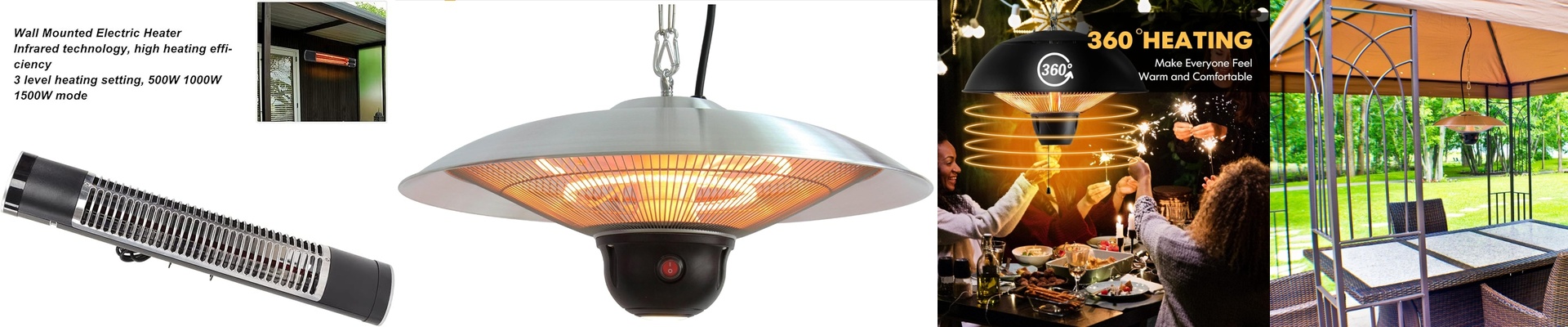
If you want to kill those “blind spots,” you can’t just rely on one heat source. We set up a ring of FIR lamps around the drum in a specific pattern. Here is why this works: unlike convection, which just blows hot air around, FIR waves actually soak into the food. When you time the rotation of the rack with the power of the lamps, the food gets a consistent hit of energy from every possible angle. No more guessing games.
The nitty-gritty on materials
We stick with high-purity quartz tubes for these elements. Why? Because quartz doesn’t freak out when the temperature jumps up and down. Standard glass just can’t handle that kind of shock. But there’s a catch. In a steamy oven, the end-caps are usually where things go wrong. Steam loves to leak into the filament chamber, and once that happens, your element is toast. We use specialized gaskets to seal everything tight and keep the steam where it belongs. You also have to be careful with how much power you throw at the oven. Sure, higher wattage gets the job done faster, but it cranks up the ambient heat quickly. If you go too heavy on the power without enough ventilation, you’ll end up scorching the outside of your food while the middle is still cold.
Making it actually work
Wiring this into a rotary system isn’t exactly “plug and play.” You need cables that can take the heat and the constant vibration of the motor. Plus, if your voltage is jumpy, those filaments will pop. We always suggest using dedicated controllers to smooth things out. It’s a bit of a trade-off. You get that perfect, 360-degree brown on your food, but you have to keep the quartz tubes clean. If grease builds up on them, your heat transfer tanks. Keep them shiny, and they’ll keep working.