
Getting Your Rotary Oven Temperatures Right
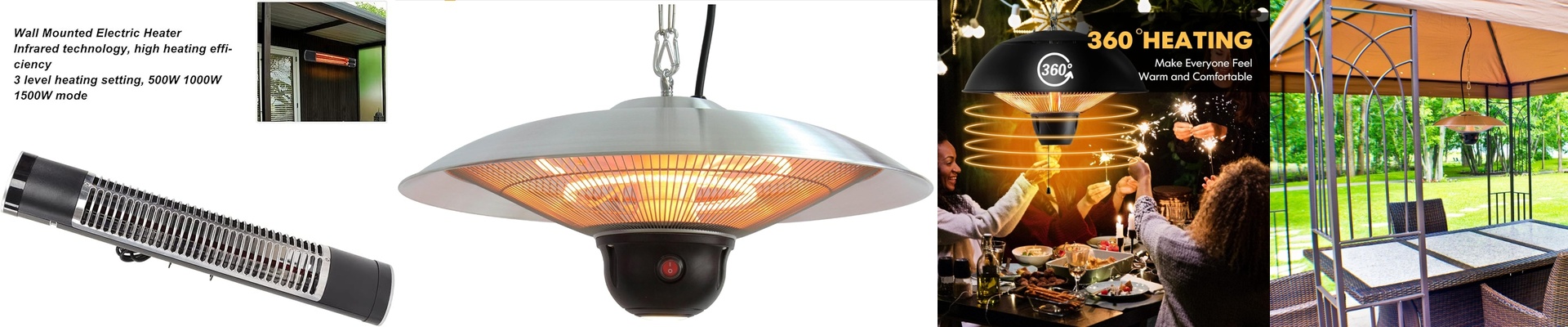
If you’ve ever run an automated kitchen, you know the nightmare of “cold spots.” You pull a batch out of the rotary oven and half the product is perfect, but the other half looks like it never even saw a heater. That’s why we use ceramic infrared heaters. Instead of just blowing hot air around—which is hit or miss—these heaters beam energy straight into the food. It’s direct. It’s consistent. And it actually works.
How we keep the heat steady
To make this happen, we don’t just plug in a heater and hope for the best. We pair our ceramic elements with fast-response thermocouples and SSRs. Here’s the thing: when you’re pushing a high-volume line, the oven has to react now. If a cold tray of food hits the line, the system adjusts the power in milliseconds. You don’t get those awkward temperature dips, and you definitely don’t get scorched edges. It just stays dialed in.
Why ceramic?
You might wonder why we don’t just use quartz lamps. Quartz is fast—almost too fast. It hits peak temp instantly, which often leads to “flash burn.” You end up with a burnt surface and a raw center. We go with high-alumina ceramic housings because they act like a buffer. They create a steady, smooth flow of heat. The result? A uniform crust every single time. It’s the difference between a blowtorch and a steady glow.
The practical stuff (and the pitfalls)
We can customize the wattage and length to fit your specific oven, but a word of caution: don’t just chase the highest power possible. High-watt-density heaters put a lot of stress on your electrical panels. If you go too heavy without checking your wiring gauge, things get hot—and not in a good way. I’ve seen too many breakers trip because a control box didn’t have enough breathing room. We focus on making sure the physical fit and the electricity play nice together. Whether you need a weird mounting bracket or a specific voltage, we build it to be a drop-in replacement. You shouldn’t have to spend your weekend rewriting your PLC logic just to get a new heater working.