Fixing Those Annoying Cold Spots in Big Ovens
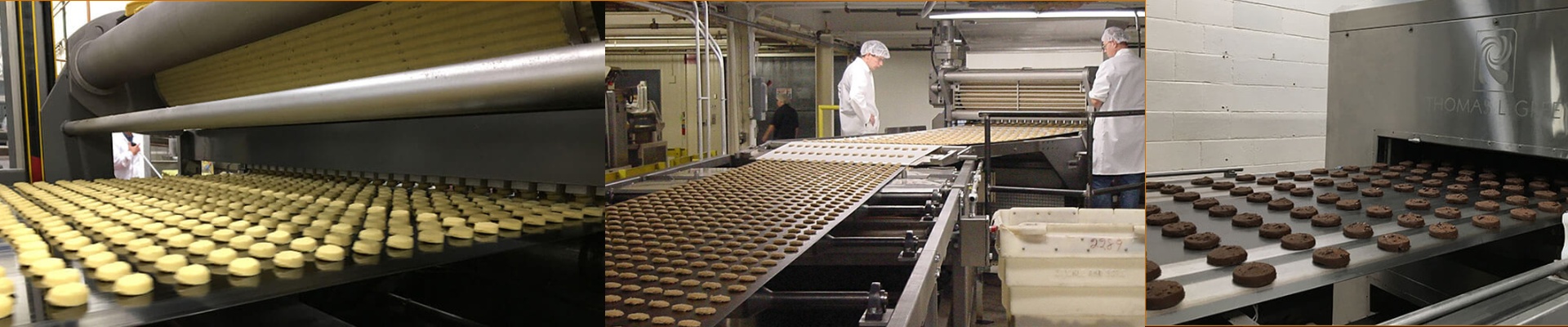
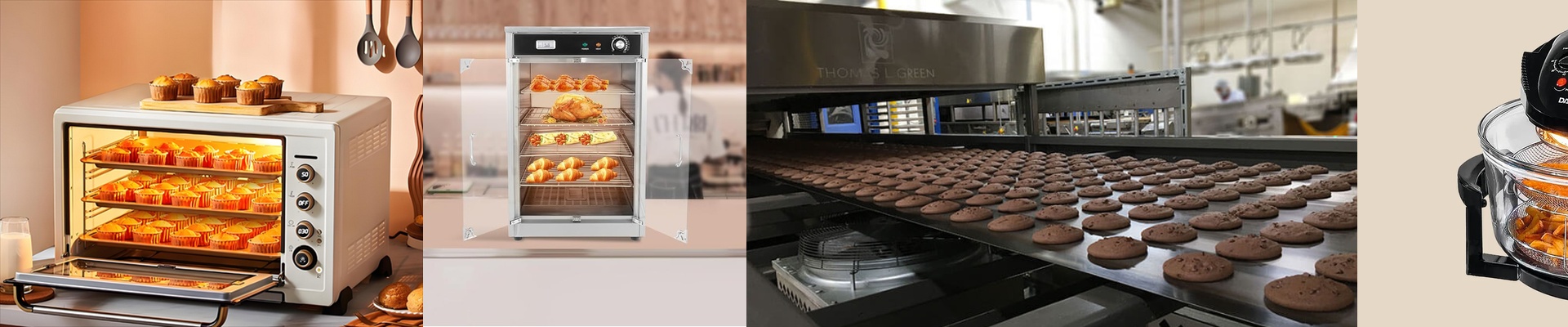
If you’ve spent any time with a large commercial bread oven, you know the drill. The loaves in the middle come out perfect, but the ones on the edges? They’re often pale and underbaked. It’s that frustrating “edge effect” where heat just leaks out of the perimeter faster than the oven can keep up. We figured out a way to stop that. Instead of fighting the oven’s main heating system, we just add shortwave infrared (IR) lamps directly into the chassis. They act like a precision strike, hitting those cold spots with high-density heat exactly where the oven is losing it. Why IR actually works Standard convection is just too slow. By the time the hot air reaches the edges, the heat has already escaped. IR is different. It doesn’t care about the air around it; it just beams energy straight into the dough. It’s instant. This is the secret to getting that same golden-brown crust across the entire tray without cranking up the main burners and turning your center loaves into croutons. The nitty-gritty on the gear We use high-purity quartz glass for these lamps because it lets the most heat through. Since every oven is different, we customize the wattage and length to fit your specific mounting brackets. Most of our units use standard R7s or SK15 connectors, so they usually just slide right in. You can even hook them up to a separate PID controller. That way, the lamps only kick in when the edge sensors actually feel a temperature drop. Simple. A few things to keep in mind Now, these things put out a lot of heat. A lot. You’ll want to make sure your ventilation is up to the task so the quartz doesn’t overheat. And if you’re running these 24/7, do yourself a favor: check your wiring terminals every few months. Thermal expansion happens, and a loose connection is the last thing you need in the middle of a rush.