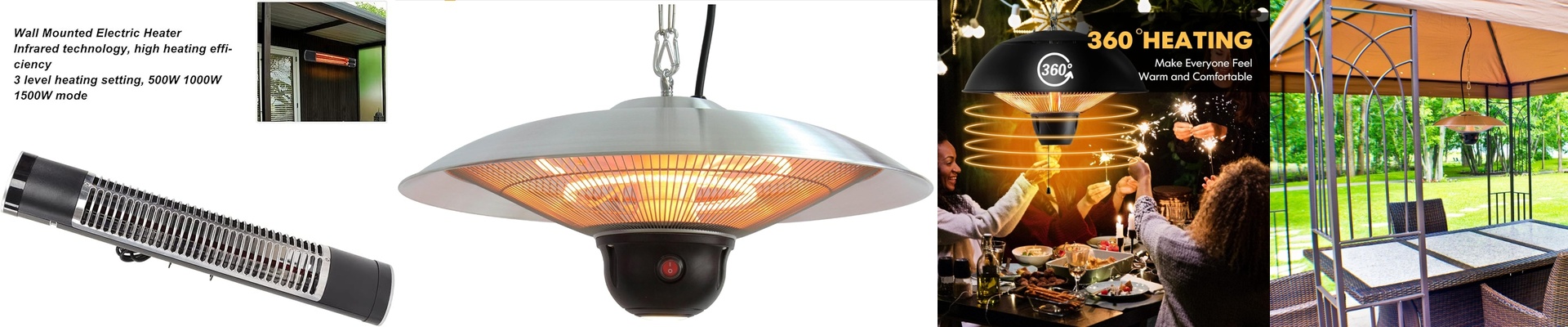
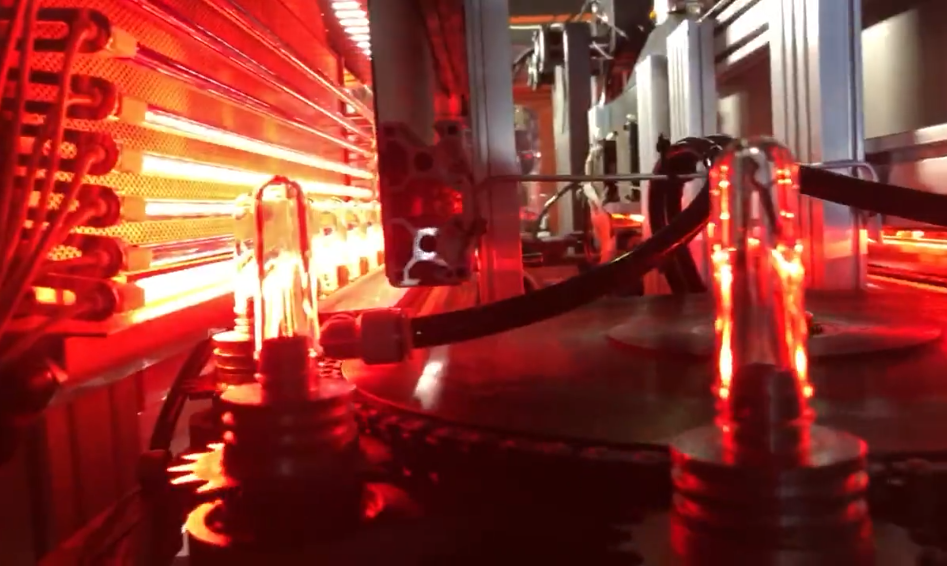
On the blow molding line, uneven preform heating doesn’t just throttle output—it creates scrap. If your Krones stretch blow molder is showing temperature drift, inconsistent wall thickness, or lamps that keep failing, the place to look is the heating tunnel. We built the Krones infrared radiator assembly to put the thermal profile back where it should be, not just to swap in a new part. Here’s what matters under the hood. The assembly runs short-wave infrared emitters matched to Krones’ heating window, so response is fast and preform surface temperature stays tightly controlled. Each emitter is built around a quartz tube that can take rapid thermal cycling, and it uses an R7s connector for a direct drop-in fit. Power density and spectral output are spec’d to align with the machine’s reflector geometry, so heat distribution across the preform neck and body is predictable. The payoff is repeatable heating that keeps the stretch blow molding cycle stable. Why it holds up on a Krones line: this assembly is engineered for the machine, so you skip the guesswork that comes with universal retrofits. With stable infrared output, heating variability drops—fewer rejects from overstretched or under-blown bottles. Energy use comes down because the emitter heats on demand and cools quickly, so you’re not burning standby power. And the components are built for the tunnel environment, which means fewer unplanned stops for lamp changes. That helps keep OEE on track. A few shop-floor pointers. Install with the correct torque on the mounting clips and double-check reflector alignment—misalignment moves the hot zone and skews bottle weight. Make sure your line voltage and cooling airflow match the emitter ratings; running sustained over-voltage shortens lamp life. Plan replacements during scheduled downtime and keep a spare set on the shelf. Because it matches the OEM footprint, you can swap an assembly in minutes, not hours.