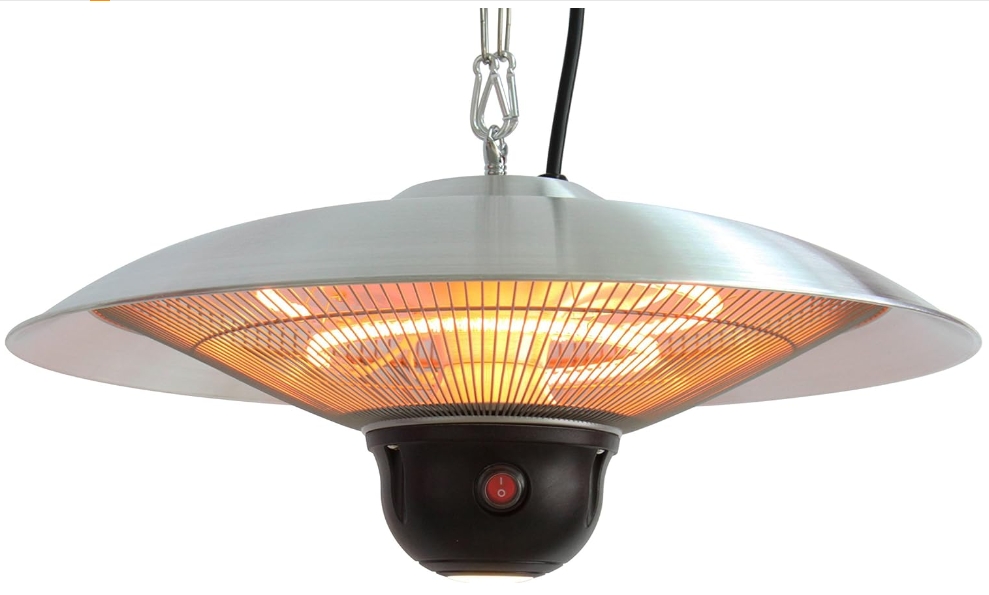
Stop Letting Your Patio Go Cold in the Winter
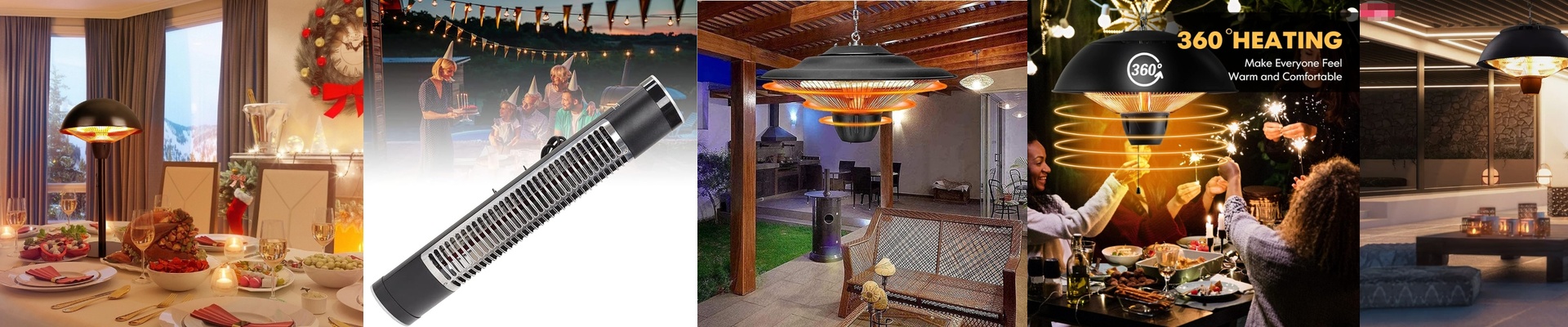
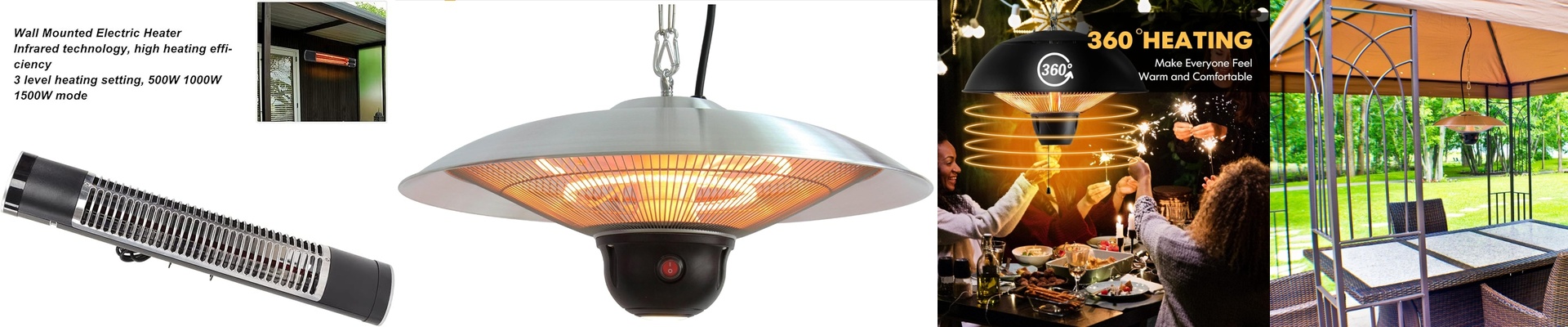
It’s a frustrating cycle. The weather dips, and suddenly half your seating is useless. I’ve seen restaurant owners lose a massive chunk of their capacity the moment the first frost hits. It’s basically like paying rent for a room you aren’t allowed to use. But there’s a way to stop that. Waterproof infrared heaters can turn a seasonal patio into a spot where people actually want to sit all year. Why infrared actually works Most heaters try to warm up the air. In a restaurant, that’s a losing battle because the wind just carries the heat away. It’s a waste of electricity. Infrared is different. It doesn’t care about the air. It sends heat in a straight line directly to your guests. It feels like sitting in the sun on a spring day. Even if there’s a breeze kicking up, your customers stay warm because the heat is hitting them, not the atmosphere. Built for the mess Outdoor gear takes a beating. Between the rain, the snow, and the humidity, cheap heaters just don’t last. We build ours to handle the chaos. We use IP-rated enclosures so water can’t get inside and fry the electronics. The heating elements are tucked behind tough quartz glass that won’t crack when the temperature swings from freezing to hot. Plus, the chassis is designed to resist rust, which is a lifesaver if you’re dealing with salt air or winter slush. The bottom line for your business Here is the reality: cold customers leave. When people are shivering, they don’t linger. They skip the dessert menu. They definitely don’t order that second round of drinks. They just want to get inside. When you keep the temperature steady, people relax. They stay longer. They spend more. One quick heads-up, though. These things pull a lot of power. You can’t just plug a commercial infrared array into a standard wall outlet and hope for the best. You’ll likely need to look at your breakers and run some heavy-duty cabling so you don’t blow a fuse right in the middle of a Friday night rush. If your electrical panel is already pushed to the limit, you’ll just need to be smart about how many units you install.