


The Secret to a Warm Bathroom Mirror
Ever stepped out of a shower into a freezing bathroom and wished the room would just get it together already? That’s where mirror infrared heaters come in. Unlike those old-school heaters that try to warm up all the air in the room (which takes forever), these use short-wave radiation. Basically, they don’t bother with the air. They go straight for you. You feel the heat the second you stand in front of the mirror. No waiting around. No shivering.
How the magic actually works
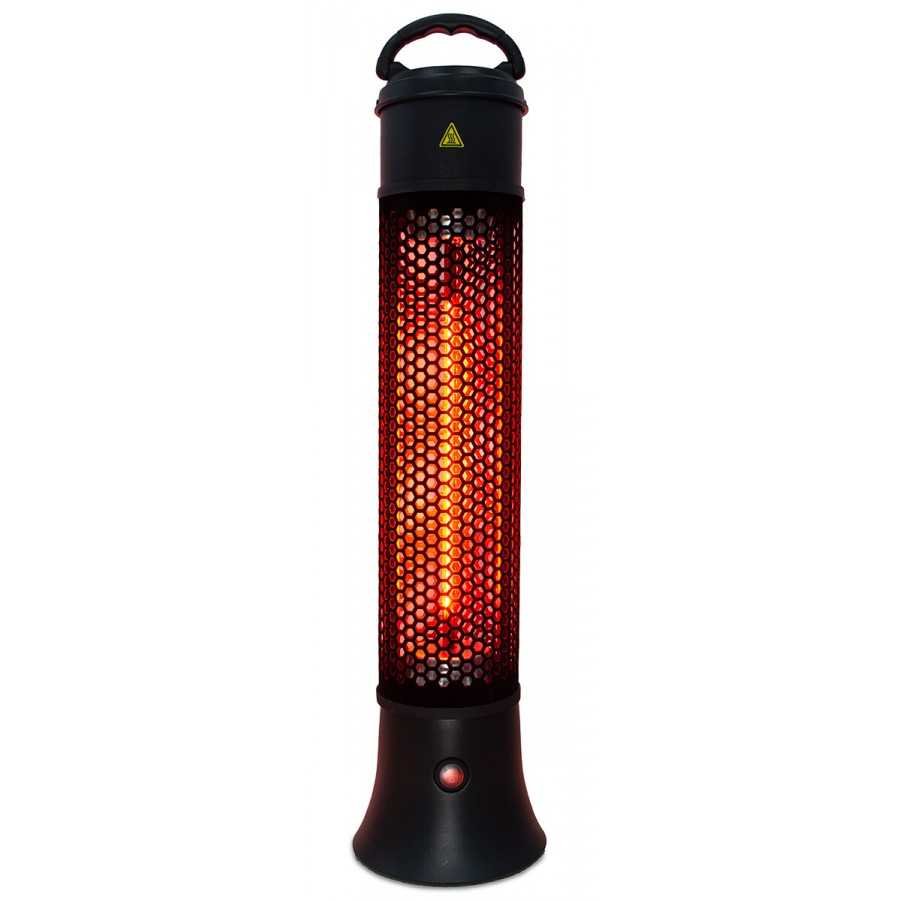
Inside the unit, there’s a quartz heating element. It sends out infrared waves that glide right through the air without heating it up. They only turn into warmth when they hit something solid—like your skin or those freezing cold bathroom tiles. It’s a weirdly great feeling. You can be in a cool room, but you feel a cozy, direct warmth the moment you start getting ready.
The tricky part: Balancing the heat
Putting a heater inside a mirror isn’t as simple as just plugging it in. You have to be careful. We use high-grade quartz tubes and polished reflectors to make sure the heat is pushed forward, toward you, and not backward into the wall. But here’s the thing: you can’t just crank up the wattage. If you put too much power into a small space without enough airflow, the mirror glass can get stressed. In the worst-case scenario, the glass could actually crack. We spend a lot of time finding that “sweet spot” where it’s plenty warm but safe for the mirror.
Setting it up and keeping it running
Since these live in bathrooms, we make sure the housing is IP-rated. That’s just a fancy way of saying we keep the moisture and steam away from the electrical parts so everything stays safe. One quick tip: quartz tubes can be a bit sensitive to voltage spikes. If your power fluctuates a lot, a stabilized power supply will keep the filament from burning out too early. If you’re replacing an old unit, it’s usually a pretty simple drop-in process, as long as the new frame fits your existing brackets. Simple.